
Motorcycle engines are designed to operate at high temperatures, but they should never become excessively hot. If you have ever wondered why does a motorcycle engine overheat, you are not alone. Many riders experience rising engine temperatures, especially during heavy traffic, long-distance rides, or hot weather. While a warm engine is completely normal, overheating signals that something needs immediate attention.
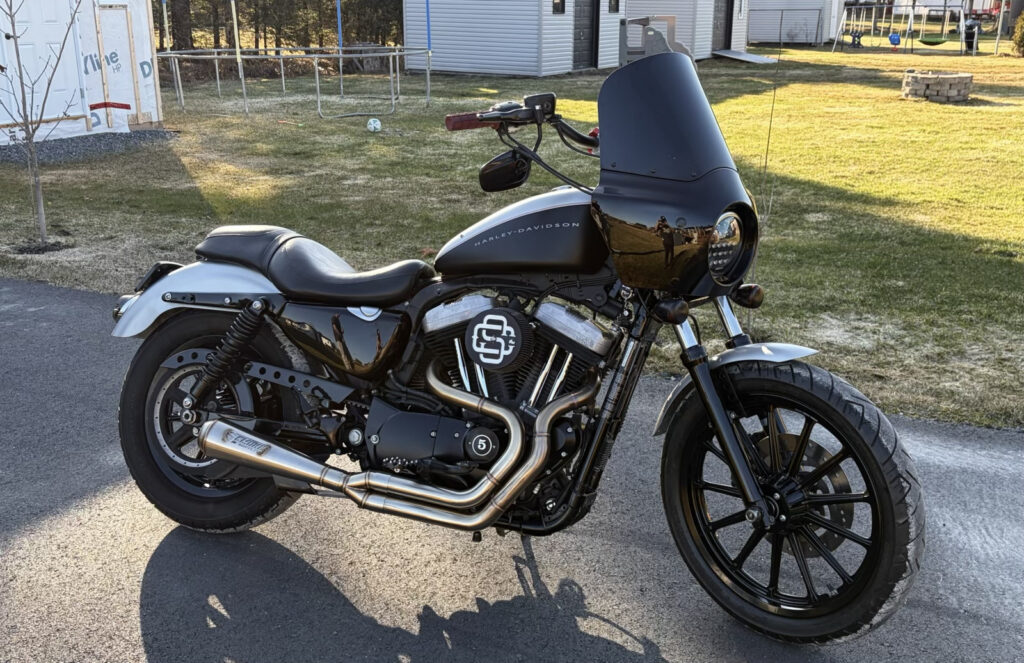
Understanding why does a motorcycle engine overheat helps you identify potential issues before they become expensive repairs. From poor cooling system maintenance to incorrect engine oil, several factors can increase engine temperature and reduce performance. By recognizing the warning signs early, you can protect your motorcycle, improve its reliability, and enjoy a safer riding experience.
Why Does a Motorcycle Engine Overheat?
Several components work together to regulate engine temperature. When one of these parts fails or operates inefficiently, the engine generates more heat than it can release. Here are the most common reasons why a motorcycle engine overheats.
Low Engine Oil
Engine oil lubricates moving parts while reducing friction. It also helps carry heat away from internal components. When the oil level drops below the recommended amount, metal parts create excessive friction and produce more heat.
Dirty or degraded oil causes similar problems because it loses its ability to lubricate effectively. Riders should check oil levels regularly and replace the oil according to the manufacturer’s maintenance schedule.
Cooling System Problems
Liquid-cooled motorcycles rely on coolant, a radiator, hoses, and a water pump to control engine temperature. If coolant levels become too low or the coolant deteriorates, the system cannot transfer heat efficiently.
Leaks, damaged hoses, clogged radiators, or a failing water pump also reduce cooling performance. As a result, engine temperature rises quickly, especially during slow traffic where airflow remains limited.
Dirty Radiator
The radiator releases engine heat into the surrounding air. Dirt, mud, insects, and road debris often block the radiator fins and reduce airflow.
A clogged radiator cannot dissipate heat efficiently. Even if coolant circulates normally, the trapped heat causes engine temperatures to increase. Cleaning the radiator regularly helps maintain proper cooling performance.
Cooling Fan Failure
Most liquid-cooled motorcycles include an electric cooling fan that activates when engine temperatures rise.
A faulty fan motor, damaged relay, blown fuse, or defective temperature sensor prevents the fan from operating. Without sufficient airflow, the radiator struggles to remove heat, especially when the motorcycle remains stationary.
Lean Air-Fuel Mixture
The engine requires the correct balance of fuel and air for efficient combustion. A mixture containing too much air and too little fuel burns hotter than normal.
Fuel injector problems, intake leaks, clogged fuel filters, or incorrect ECU settings may create a lean condition. This situation increases combustion temperatures and places additional stress on engine components.
Riding in Heavy Traffic
Motorcycles cool more efficiently while moving because fresh air flows across the engine and radiator.
Stop-and-go traffic limits airflow and forces the engine to idle for extended periods. During hot weather, this condition significantly increases operating temperature, even when every mechanical component functions correctly.
Blocked Airflow
Air-cooled motorcycles depend entirely on moving air to remove heat from the engine.
Installing oversized accessories, luggage, or fairings that block airflow may reduce cooling efficiency. Dirt buildup around cooling fins creates similar problems by trapping heat inside the engine.
Incorrect Spark Plug
Using the wrong spark plug heat range affects combustion temperature.
A spark plug that runs too hot may contribute to pre-ignition or excessive combustion temperatures. Following the manufacturer’s recommended specifications ensures optimal engine performance and cooling.
Signs That a Motorcycle Engine Is Overheating
Recognizing early warning signs allows you to stop riding before serious engine damage occurs.
Common symptoms include:
- Temperature gauge reaching the red zone.
- Steam coming from the radiator.
- Burning smells near the engine.
- Noticeable power loss.
- Knocking or pinging noises.
- Coolant leaking from the overflow tube.
- Engine warning light turning on.
- Reduced acceleration during riding.
Ignoring these symptoms increases the risk of severe engine damage and costly repairs.
Risks of Ignoring Engine Overheating
Many riders continue riding even after noticing rising temperatures. Unfortunately, overheating rarely fixes itself.
Excessive heat can damage numerous engine components, including:
- Cylinder head gasket.
- Pistons.
- Valves.
- Cylinder walls.
- Engine bearings.
- Cooling hoses.
- Water pump seals.
In severe cases, overheating causes engine seizure, which often requires a complete engine rebuild or replacement. Repair costs can quickly exceed the price of routine maintenance.
How to Fix an Overheating Motorcycle Engine
After identifying why does a motorcycle engine overheat, the next step involves solving the underlying problem.
Check the Engine Oil
Inspect the oil level before every long ride.
Replace old oil using the viscosity recommended by the motorcycle manufacturer. Always install a quality oil filter during oil changes to maintain proper lubrication.
Inspect the Coolant
Check the coolant reservoir regularly.
Refill the system with the correct coolant mixture if levels fall below the minimum mark. Never open the radiator cap while the engine remains hot because pressurized coolant can cause serious burns.
Clean the Radiator
Wash dirt and debris from the radiator fins using low-pressure water or compressed air.
Straighten bent fins carefully to improve airflow without damaging the radiator core.
Test the Cooling Fan
Allow the motorcycle to idle until it reaches normal operating temperature.
If the cooling fan never activates, inspect the fuse, relay, wiring, and temperature sensor. Replace faulty components immediately.
Check for Coolant Leaks
Look for coolant stains around hoses, clamps, the radiator, and the water pump.
Repair leaks promptly because even small coolant losses reduce cooling efficiency over time.
Inspect Fuel Delivery
Clean clogged fuel injectors and replace dirty fuel filters.
If you recently installed an aftermarket exhaust system, consider checking the ECU calibration. Proper fuel mapping helps maintain safe combustion temperatures.
How to Prevent a Motorcycle Engine from Overheating
Preventive maintenance remains the best defense against overheating.
Follow these simple habits:
- Change engine oil on schedule.
- Maintain the correct coolant level.
- Clean the radiator frequently.
- Replace worn hoses before they fail.
- Keep the cooling fan in good condition.
- Avoid extended idling whenever possible.
- Use manufacturer-approved engine oil.
- Service the motorcycle according to the recommended intervals.
These maintenance practices improve cooling efficiency and extend engine life.
Common Mistakes Riders Make
Many overheating problems result from avoidable mistakes.
Some riders ignore the temperature gauge until the engine loses power. Others continue riding after seeing coolant leaks or warning lights. Skipping regular oil changes also increases internal friction and accelerates wear.
Another common mistake involves installing aftermarket performance parts without adjusting the engine tuning. A poorly tuned motorcycle may run lean, creating higher combustion temperatures that contribute to overheating.
By addressing small issues early, riders reduce repair costs and improve long-term reliability.
Conclusion
Understanding why does a motorcycle engine overheat helps every rider protect their motorcycle from unnecessary damage. Although high engine temperatures occasionally occur during demanding riding conditions, persistent overheating usually indicates a maintenance issue or mechanical problem.
Regular oil changes, proper coolant maintenance, radiator cleaning, and routine inspections keep the cooling system operating efficiently. Paying attention to warning signs allows you to solve problems before they become major repairs.
A well-maintained motorcycle runs cooler, performs better, and lasts significantly longer. Instead of waiting for overheating to damage your engine, follow a consistent maintenance routine and inspect critical components before every ride.
