
Harley-Davidson motorcycles are famous for their powerful V-twin engines, distinctive sound, and enjoyable riding experience. However, many riders eventually notice that their engine feels hotter than expected, especially during traffic, long-distance touring, or summer rides. While Harley engines naturally produce more heat than many other motorcycles, excessive temperature should never be ignored.
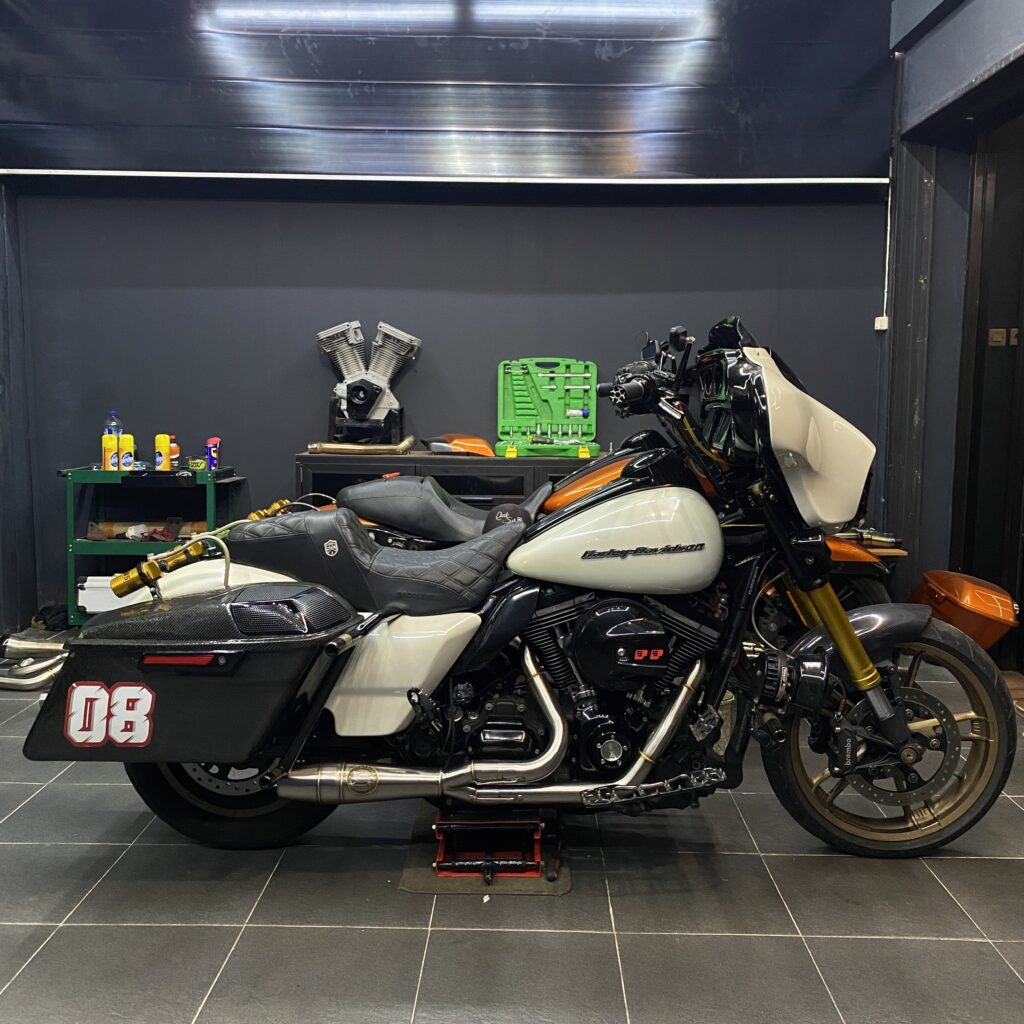
Understanding the causes of a Harley engine overheating helps you prevent costly repairs, maintain performance, and extend engine life. Fortunately, most overheating problems have practical solutions if you identify them early.
This guide explains the most common reasons why a Harley engine overheats and shows you how to solve each problem effectively.
Why Harley Engines Produce More Heat
Before discussing mechanical problems, it is important to understand that Harley-Davidson engines normally operate at higher temperatures than many liquid-cooled motorcycles.
Most Harley touring, Softail, and Sportster models rely on air cooling or a combination of air and oil cooling. Unlike liquid-cooled engines that circulate coolant through a radiator, Harley engines depend heavily on airflow around the cylinders.
When the motorcycle moves at highway speed, fresh air removes much of the engine heat. However, riding slowly in traffic significantly reduces airflow, allowing engine temperatures to rise.
Although some heat is expected, excessive heat indicates that another issue may be contributing to the problem.
Low Engine Oil
One of the leading causes of a Harley engine overheating is insufficient engine oil.
Engine oil performs several important jobs. Besides lubricating moving components, it also absorbs and transfers heat away from internal engine parts. When the oil level drops below the recommended range, friction increases and engine temperatures rise quickly.
Low oil levels may result from:
- Oil leaks
- Delayed oil changes
- High oil consumption
- Incorrect oil filling after maintenance
Always check the oil level before long rides. Harley-Davidson recommends checking oil when the engine reaches operating temperature and the motorcycle stands upright according to the owner’s manual.
Keeping the correct oil level greatly reduces overheating risks.
Dirty or Old Engine Oil
Even when the oil level appears normal, worn-out oil cannot protect the engine efficiently.
Over time, engine oil collects contaminants, fuel residue, moisture, and microscopic metal particles. These contaminants reduce lubrication quality and heat transfer efficiency.
As a result, internal friction increases and the engine works harder.
Changing the oil according to the manufacturer’s maintenance schedule helps maintain proper cooling while protecting expensive engine components.
Many Harley owners who ride frequently in hot weather shorten their oil change intervals to improve engine protection.
Heavy Traffic and Prolonged Idling
Traffic congestion creates one of the most common overheating situations.
Air-cooled Harley engines depend on continuous airflow. Unfortunately, stop-and-go traffic limits cooling while combustion continues to generate heat.
Long periods of idling can also increase engine temperature because the engine continues producing heat without receiving enough cooling air.
You can reduce heat buildup by:
- Avoiding unnecessary idling
- Choosing routes with lighter traffic
- Maintaining steady speeds whenever possible
- Turning off the engine during extended stops if conditions allow
These simple habits help keep engine temperatures under control.
Lean Air-Fuel Mixture
Another important cause of a Harley engine overheating is an excessively lean air-fuel mixture.
A lean mixture contains too much air and not enough fuel during combustion. This condition produces higher combustion temperatures that place additional stress on pistons, valves, and cylinder heads.
Several factors may create a lean mixture, including:
- Intake air leaks
- Incorrect ECU settings
- Performance exhaust installation without proper tuning
- Dirty fuel injectors
Many riders install aftermarket exhaust systems to improve sound and performance. However, changing the exhaust without recalibrating the engine management system may create a lean condition.
If you recently upgraded your exhaust, consider checking the fuel mapping to ensure the engine receives the proper air-fuel ratio.
Clogged Cooling Fins
Cooling fins play a critical role in air-cooled Harley engines.
These aluminum fins increase the engine’s surface area, allowing heat to escape more efficiently.
Unfortunately, dirt, mud, road debris, insects, and accumulated grease can block airflow between the fins.
When airflow decreases, cooling efficiency also drops.
Regularly cleaning the cooling fins with a soft brush and low-pressure water helps restore proper airflow and keeps the engine operating at safer temperatures.
Avoid using high-pressure washers directly on sensitive engine components.
Incorrect Ignition Timing
Improper ignition timing may also contribute to overheating.
If ignition timing advances too much, combustion occurs earlier than intended, generating excessive cylinder temperatures.
Modern Harley-Davidson motorcycles manage ignition electronically through the ECU. However, performance modifications, aftermarket tuners, or improper calibration may alter timing settings.
Professional tuning ensures that ignition timing, fuel delivery, and engine performance remain balanced.
Dirty Air Filter
A clogged air filter restricts airflow into the engine.
Reduced airflow affects combustion efficiency and may force the engine to work harder under acceleration.
Although a dirty filter alone rarely causes severe overheating, it often contributes to higher operating temperatures when combined with other issues.
Inspect the air filter regularly, especially after riding on dusty roads.
Replace or clean reusable filters according to the manufacturer’s recommendations.
Cooling System Problems on Twin-Cooled Models
Some newer Harley-Davidson touring motorcycles use Twin-Cooled technology, combining traditional air cooling with liquid cooling for specific engine components.
If your motorcycle uses this system, overheating may result from:
- Low coolant level
- Coolant leaks
- Damaged radiator
- Faulty cooling fan
- Malfunctioning water pump
Inspect coolant levels during routine maintenance and repair any cooling system problems immediately.
Ignoring coolant leaks may eventually cause serious engine damage.
Riding in Extremely Hot Weather
Environmental conditions also affect engine temperature.
Summer temperatures, steep mountain roads, heavy luggage, passenger weight, and aggressive riding all increase engine load.
Higher engine loads produce additional combustion heat.
During extremely hot weather, you can reduce overheating by:
- Taking short cooling breaks
- Riding during cooler morning hours
- Avoiding unnecessary hard acceleration
- Keeping engine RPM within the recommended operating range
Small adjustments in riding style often make a noticeable difference.
Poor Exhaust Flow
Exhaust gases carry significant heat away from the engine.
If exhaust flow becomes restricted, heat remains inside the combustion chamber longer than intended.
Possible causes include:
- Damaged exhaust pipes
- Internal exhaust blockage
- Collapsed catalytic converter
- Poorly designed aftermarket exhaust components
Maintaining proper exhaust flow supports efficient combustion and helps stabilize engine temperatures.
Quality exhaust systems designed specifically for your Harley model usually provide better heat management than poorly matched components.
How to Prevent a Harley Engine from Overheating
Preventive maintenance remains the most effective way to avoid overheating.
Follow these best practices:
- Check engine oil regularly.
- Replace oil and filters on schedule.
- Clean cooling fins frequently.
- Inspect the air filter.
- Tune the ECU after installing performance exhausts.
- Monitor coolant levels on Twin-Cooled models.
- Avoid prolonged idling.
- Service the motorcycle according to Harley-Davidson maintenance intervals.
- Inspect for oil leaks before long rides.
- Use high-quality engine oil that matches Harley-Davidson specifications.
Consistent maintenance helps the engine operate efficiently throughout its service life.
When You Should Visit a Mechanic
Some overheating situations require professional diagnosis.
Seek mechanical inspection if you notice:
- Persistent overheating after routine maintenance
- Burning oil smell
- Knocking engine noises
- Engine warning lights
- Significant power loss
- Coolant leaks on Twin-Cooled models
- Frequent oil consumption
- Smoke coming from the engine
Early diagnosis prevents minor issues from becoming expensive engine repairs.
Conclusion
Understanding the causes of a Harley engine overheating allows every rider to protect both performance and reliability. While Harley-Davidson motorcycles naturally operate at warmer temperatures than many liquid-cooled bikes, excessive heat usually signals an underlying issue that needs attention.
Low or degraded engine oil, lean fuel mixtures, dirty cooling fins, prolonged idling, clogged air filters, restricted exhaust flow, and poor maintenance all contribute to rising engine temperatures. Fortunately, regular inspections, timely servicing, proper tuning, and smart riding habits can prevent most overheating problems before they become serious.
By following a consistent maintenance routine and addressing warning signs early, you can keep your Harley running cooler, smoother, and ready for every ride.
