
For many Harley-Davidson riders, choosing between a Harley exhaust loud vs stock setup is one of the biggest decisions after buying a motorcycle. An exhaust system does much more than create sound. It influences engine performance, riding comfort, appearance, and even the overall riding experience.
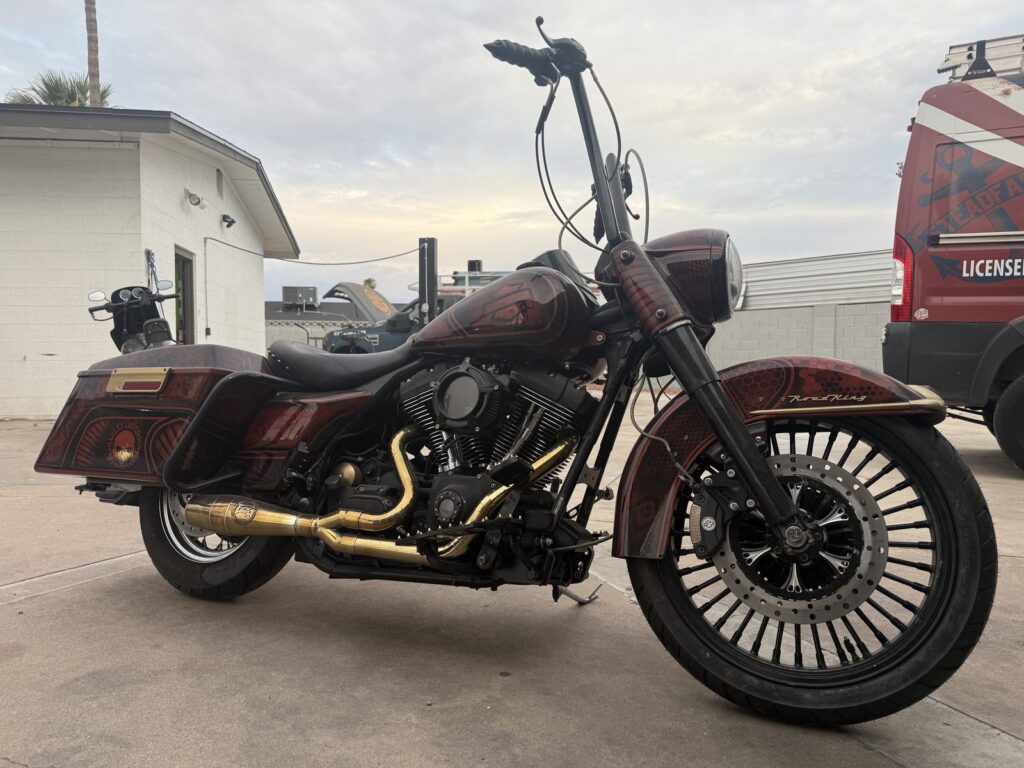
Some riders enjoy the deep, aggressive rumble of a loud aftermarket exhaust because it makes every ride feel more exciting. Others prefer the smooth and refined sound of a stock exhaust because it offers comfort during long-distance trips and complies with local noise regulations.
Before replacing your factory exhaust, you should understand the advantages and disadvantages of each option. This guide compares loud and stock Harley exhaust systems so you can choose the one that best matches your riding style.
Understanding Harley Exhaust Loud vs Stock
A stock Harley exhaust comes directly from the manufacturer. Engineers design it to meet emission standards, reduce noise, and deliver reliable performance in different riding conditions. It provides balanced power while keeping the motorcycle comfortable for everyday use.
A loud Harley exhaust, on the other hand, usually comes from an aftermarket manufacturer. These systems often feature less restrictive mufflers and larger exhaust pipes. As a result, they create a deeper and louder exhaust note while improving exhaust flow.
Although both systems serve the same purpose, they create completely different riding experiences.
Sound Quality
The most noticeable difference between the two options is the sound.
A stock Harley exhaust produces a smooth and controlled tone. It stays relatively quiet during idle and cruising speeds, making it suitable for riders who commute daily or enjoy long highway trips.
A loud exhaust transforms the motorcycle’s personality. Instead of a quiet rumble, it delivers a deeper, stronger, and more aggressive sound. Many Harley enthusiasts believe this classic V-twin roar represents the true identity of the motorcycle.
The louder sound also creates a stronger emotional connection between the rider and the machine. Every twist of the throttle becomes more satisfying, especially during acceleration.
However, louder does not always mean better. Excessive noise may become tiring during long rides, especially when riding for several hours without hearing protection.
Performance Differences
Performance is another reason riders replace the factory exhaust.
Stock exhaust systems prioritize smooth engine operation rather than maximum power. Harley engineers carefully tune them to provide consistent performance across different RPM ranges.
Meanwhile, many aftermarket exhaust systems reduce exhaust restriction. Better exhaust flow allows the engine to breathe more efficiently, especially when combined with an upgraded air intake and ECU tuning.
Depending on the exhaust design, riders may notice:
- Faster throttle response
- Improved mid-range torque
- Better high-RPM performance
- More responsive acceleration
Still, installing a loud exhaust alone may not unlock its full potential. Many performance upgrades work best when riders tune the engine properly after installation.
Riding Comfort
Comfort matters just as much as performance.
A stock exhaust creates a quieter environment, allowing riders to enjoy conversations through helmet communication systems, listen to navigation prompts, or simply reduce fatigue during long trips.
Long-distance touring becomes more relaxing because the lower noise level reduces stress on the ears.
A loud exhaust provides a completely different experience. Many riders enjoy hearing the engine every second of the ride because it increases excitement and engagement.
Nevertheless, continuous exposure to loud exhaust noise may become exhausting after several hundred miles. Riders who frequently travel long distances should consider this factor before making a purchase.
Appearance and Style
Besides sound, many riders upgrade their exhaust to improve the motorcycle’s appearance.
Factory exhaust systems usually feature conservative styling. They match the original design while appealing to a wide range of customers.
Aftermarket manufacturers often offer more attractive finishes, including:
- Matte black
- Chrome
- Brushed stainless steel
- Ceramic-coated finishes
Many exhaust systems also feature slimmer mufflers, custom heat shields, and unique end caps that give the motorcycle a more aggressive look.
For riders who enjoy customizing their Harley-Davidson, a new exhaust often becomes one of the most noticeable visual upgrades.
- Tighten mounting hardware when necessary.
- Clean the exhaust after riding in wet conditions.
- Remove road salt and debris promptly.
- Replace worn exhaust gaskets if leaks appear.
Proper maintenance keeps both performance and appearance at their best.
Cost Comparison
Budget often influences the final decision.
A stock exhaust comes included with the motorcycle, so it adds no extra cost unless replacement becomes necessary after damage.
Aftermarket Harley exhaust systems vary widely in price depending on the brand, materials, and design.
Premium systems often include:
- Stainless steel construction.
- Lightweight materials.
- Advanced heat shielding.
- Performance-oriented engineering.
- High-quality finishes.
Although these upgrades require a larger investment, many riders consider them worthwhile because they improve both appearance and riding enjoyment.
When calculating the total cost, remember to include installation and ECU tuning if recommended by the manufacturer.
Which Exhaust Is Right for You?
The best choice depends entirely on your riding priorities.
Choose a stock Harley exhaust if you:
- Ride long distances regularly.
- Prefer a quieter motorcycle.
- Want maximum legal compliance.
- Prioritize comfort and reliability.
- Prefer factory engineering.
Choose a loud aftermarket exhaust if you:
- Love the classic Harley rumble.
- Enjoy a more aggressive riding experience.
- Plan additional performance upgrades.
- Want a customized appearance.
- Appreciate stronger throttle response.
Neither option is universally better. Instead, each serves a different type of rider.
Conclusion
Choosing between Harley Exhaust Loud vs Stock ultimately comes down to your personal riding style, comfort preferences, and performance goals. A stock exhaust delivers quiet operation, dependable reliability, and full compliance with factory standards. It suits riders who value comfort during daily commutes and long-distance touring.
On the other hand, a loud aftermarket exhaust offers a deeper exhaust note, a more aggressive appearance, and the potential for improved engine performance when paired with proper tuning. It creates a more engaging riding experience that many Harley enthusiasts appreciate.
Before making your decision, consider sound regulations, maintenance requirements, overall cost, and how you typically use your motorcycle. By selecting the exhaust that matches your needs, you can enjoy every ride with greater confidence and satisfaction.
Frequently Asked Questions
Does a loud Harley exhaust increase horsepower?
Yes, some aftermarket exhaust systems can improve horsepower and torque by increasing exhaust flow. However, riders usually achieve the best results after combining the exhaust with an upgraded air intake and ECU tuning.
Is a stock Harley exhaust better for long rides?
Yes. A stock exhaust produces less noise, which reduces rider fatigue and creates a more comfortable experience during extended trips.
Will a loud exhaust affect fuel economy?
It can if the engine is not properly tuned. With correct ECU calibration, many riders maintain fuel economy similar to the stock setup while enjoying improved throttle response.
Can I install a loud exhaust without tuning my Harley?
Some slip-on exhausts work reasonably well without immediate tuning, but a full exhaust system often benefits from ECU remapping to optimize performance and protect the engine.
