
Upgrading the exhaust system is one of the most popular modifications among Honda CBR owners. Riders often replace the factory exhaust to improve performance, reduce weight, enhance the bike’s appearance, or achieve a deeper exhaust note. However, many riders ask the same question before making the upgrade: does Honda CBR need ECU remap after exhaust change.
The answer depends on the type of exhaust you install and your riding goals. While some slip-on exhausts work well with the stock engine settings, a full exhaust system can significantly alter exhaust flow and air-fuel ratios. Ignoring these changes may reduce performance and even affect long-term engine reliability.
This guide explains does Honda CBR need ECU remap after exhaust change, when remapping becomes necessary, and how proper tuning helps your motorcycle deliver the best possible performance.
What Is ECU Remapping?
The Engine Control Unit (ECU) acts as the motorcycle’s electronic brain. It controls fuel injection, ignition timing, throttle response, idle speed, and several other engine functions.
Manufacturers program the ECU to meet emission regulations, fuel economy standards, and reliability targets. These factory settings work perfectly with the original exhaust system because Honda develops both components together.
When you replace the stock exhaust, especially with a high-flow aftermarket system, you change how quickly exhaust gases leave the engine. As a result, the original ECU map may no longer provide the ideal amount of fuel for the new airflow characteristics.
ECU remapping updates these parameters so the engine can match its new breathing capability and maintain optimal combustion.
Does Honda CBR Need ECU Remap After Exhaust Change?
Does Honda CBR need ECU remap after exhaust change? In many cases, yes—but not always.
If you install a simple slip-on muffler while keeping the factory headers and catalytic converter, the stock ECU can usually compensate for the minor airflow difference. Most modern Honda CBR models use oxygen sensors that make small fuel adjustments during everyday riding.
However, the situation changes when you install a complete exhaust system.
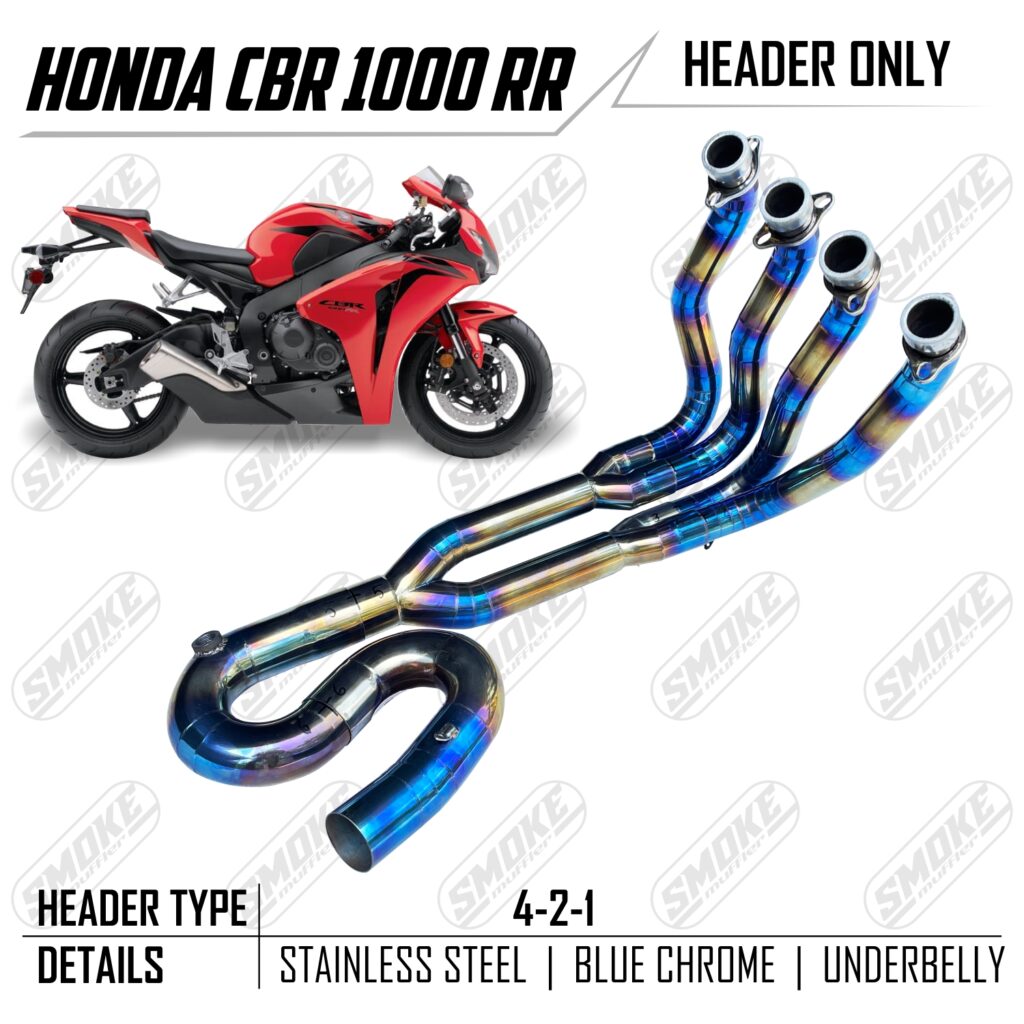
A full system replaces the headers, mid-pipe, and muffler. This setup dramatically improves exhaust flow, allowing the engine to expel gases more efficiently. Because the engine breathes differently, the stock ECU may supply an incorrect fuel mixture.
Running too lean can increase engine temperatures, reduce power, and create inconsistent throttle response. Therefore, remapping becomes highly recommended for riders who install a full racing exhaust.
Types of Exhaust Upgrades
Understanding your exhaust upgrade helps determine whether ECU remapping is necessary.
A slip-on exhaust replaces only the muffler. Installation remains simple, costs less, and causes minimal airflow changes. Many riders choose this option primarily for better sound and improved styling.
A full exhaust system replaces nearly every exhaust component. It reduces weight, increases gas flow, and offers greater performance potential. Because airflow changes significantly, this upgrade usually benefits from ECU tuning.
If your goal focuses only on appearance and sound, a slip-on may not require immediate remapping. If your priority involves horsepower and torque gains, combining a full exhaust with ECU remapping produces much better results.
Benefits of ECU Remapping
Proper ECU tuning delivers much more than additional horsepower.
One major advantage involves achieving the correct air-fuel ratio. A balanced mixture allows combustion to occur efficiently, helping the engine produce smoother and more consistent power.
Throttle response also improves noticeably. Many riders experience quicker acceleration because the engine reacts faster to throttle input.
Another benefit includes maximizing the performance potential of aftermarket exhaust systems. Without proper tuning, the new exhaust cannot deliver all the gains it was designed to provide.
Additionally, ECU remapping may reduce excessive popping during deceleration and eliminate hesitation that sometimes appears after installing a free-flowing exhaust.
Finally, optimized fuel delivery helps maintain safer engine operating temperatures during spirited riding.
Signs Your Honda CBR Needs ECU Remapping
Several symptoms indicate your motorcycle could benefit from ECU tuning after an exhaust upgrade.
Watch for these common signs:
- Poor throttle response
- Engine hesitation during acceleration
- Backfiring or excessive popping
- Rough idle
- Increased engine temperature
- Reduced fuel efficiency
- Loss of low-end torque
- Check Engine Light after installation
These symptoms do not always appear immediately. Some riders notice them after several rides as riding conditions vary.
If your motorcycle develops one or more of these issues after replacing the exhaust, scheduling an ECU remap becomes a smart next step.
Risks of Skipping ECU Remapping
Some riders assume they can install any exhaust without adjusting the ECU. While the motorcycle may continue running, this approach can create long-term problems.
An excessively lean air-fuel mixture produces higher combustion temperatures. Over time, excessive heat places additional stress on pistons, valves, and spark plugs.
Performance may also suffer. Instead of gaining horsepower, the motorcycle may lose torque in certain RPM ranges because the fueling no longer matches airflow.
Throttle transitions can become unpredictable as well. The engine may hesitate when accelerating or feel jerky during low-speed riding.
Although these problems may not damage the engine immediately, they can reduce riding enjoyment and shorten component lifespan if ignored.
Professional ECU Remapping vs Piggyback Fuel Controller
Honda CBR owners generally choose between ECU remapping and installing a piggyback fuel controller.
Professional ECU remapping modifies the original ECU software directly. Tuners adjust ignition timing, fueling, rev limits, and throttle behavior according to the motorcycle’s specific modifications.
Piggyback controllers, such as fuel management modules, alter sensor signals before they reach the ECU. They provide tuning flexibility without rewriting factory software.
For motorcycles equipped with multiple performance upgrades, professional ECU remapping usually offers more accurate and comprehensive results.
Meanwhile, riders seeking a simpler installation sometimes prefer piggyback systems.
Both solutions work well when experienced technicians perform the setup correctly.
Is Dyno Tuning Necessary?
While generic ECU maps improve performance, dyno tuning delivers the highest level of precision.
During a dyno session, technicians monitor horsepower, torque, air-fuel ratios, and engine behavior across the entire RPM range. They then adjust the ECU based on real performance data instead of assumptions.
Every motorcycle differs slightly due to manufacturing tolerances, riding conditions, fuel quality, and installed modifications.
Therefore, a custom dyno tune ensures the engine performs safely while extracting the maximum benefit from the new exhaust system.
For riders investing in premium exhausts, dyno tuning often provides worthwhile value.
Choosing the Right Exhaust for Your Honda CBR
Selecting the right exhaust matters just as much as ECU tuning.
Look for products from reputable manufacturers that design exhaust systems specifically for your Honda CBR model.
Consider factors such as:
- Material quality
- Weight reduction
- Build precision
- Noise level
- Compatibility with factory sensors
- Availability of ECU tuning support
Installing a high-quality exhaust alongside professional ECU tuning creates the best balance between reliability, performance, and everyday rideability.
Conclusion
So, does Honda CBR need ECU remap after exhaust change? The answer depends on the type of exhaust you install. A slip-on exhaust often works well with the factory ECU, although slight improvements remain possible through tuning. In contrast, a full exhaust system significantly changes engine airflow and typically requires ECU remapping to achieve safe and optimal performance.
By matching your ECU calibration with the new exhaust, you improve throttle response, maintain the correct air-fuel ratio, increase power delivery, and protect your engine from unnecessary stress. If you plan to upgrade your Honda CBR for maximum performance, combining a quality exhaust with professional ECU remapping is one of the smartest investments you can make.
