
Upgrading your motorcycle exhaust is one of the most rewarding modifications you can make, especially if you own a Harley-Davidson. A quality exhaust system not only transforms the iconic rumble that Harley riders love, but it also improves engine performance, reduces weight, and enhances the bike’s overall appearance. However, choosing the wrong exhaust or installing it without proper planning can reduce performance and create unnecessary tuning issues.
This Harley-Davidson Exhaust Upgrade Guide explains everything you need to know before replacing your stock exhaust. Whether you ride for daily commuting, weekend cruising, or long-distance touring, understanding the upgrade process will help you make a smarter investment while maintaining your motorcycle’s reliability.
Why Upgrade Your Harley-Davidson Exhaust
Many Harley-Davidson owners replace the factory exhaust because they want a better riding experience. Stock exhaust systems prioritize noise regulations and emissions compliance, which often restrict exhaust flow. While they perform well for everyday use, they may not unlock the motorcycle’s full potential.
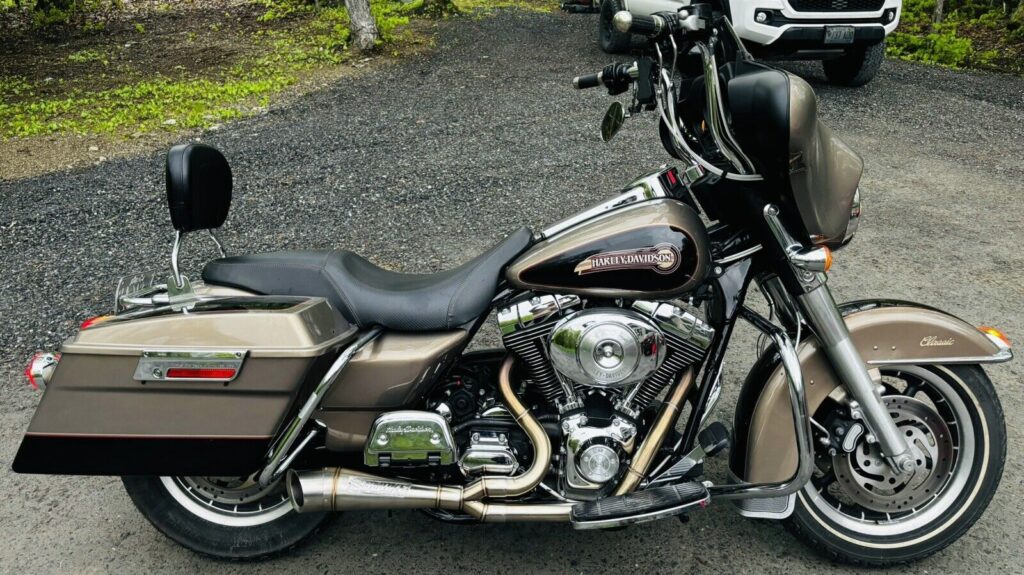
An aftermarket exhaust improves exhaust gas flow, allowing the engine to breathe more efficiently. As a result, many riders notice smoother throttle response, stronger acceleration, and a more engaging riding experience.
Another major advantage is the signature Harley-Davidson sound. A premium exhaust produces a deeper and richer tone without sacrificing engine performance. Riders often choose an upgrade because the exhaust note better reflects the motorcycle’s powerful personality.
Weight reduction also plays an important role. Many aftermarket manufacturers use lightweight materials such as stainless steel, titanium, or carbon fiber. Removing unnecessary weight improves handling, especially during cornering and long rides.
Finally, upgrading the exhaust gives your motorcycle a customized appearance. Modern finishes, unique muffler shapes, and premium craftsmanship allow you to personalize your Harley-Davidson while increasing its visual appeal.
Understanding Harley-Davidson Exhaust Types
Before purchasing a new exhaust, you should understand the different systems available. Each design offers unique benefits depending on your riding style and performance goals.
A slip-on exhaust replaces only the mufflers while keeping the factory headers. This option offers the easiest installation and the lowest cost. Riders who mainly want a better sound often choose slip-on systems because they improve the exhaust tone without requiring extensive modifications.
A full exhaust system replaces the complete exhaust, including the headers and mufflers. This setup delivers the greatest performance improvement because it maximizes exhaust flow. Although it costs more than a slip-on system, it offers better horsepower and torque gains when properly tuned.
Another popular option is the 2-into-1 exhaust. This design combines both exhaust headers into a single collector before exiting through one muffler. Performance-oriented riders appreciate this configuration because it often improves low-end and mid-range torque while reducing overall weight.
Meanwhile, the 2-into-2 exhaust maintains separate exhaust pipes for each cylinder. Many Harley enthusiasts prefer this classic configuration because it preserves the traditional Harley-Davidson appearance and delivers the unmistakable dual-pipe sound.
Understanding these options allows you to select an exhaust system that matches both your riding habits and personal preferences.
Choosing the Right Harley-DavidDavidson Exhaust Upgrade
Selecting the right exhaust requires more than choosing the loudest sound or the most attractive finish. You should carefully evaluate several important factors before making your purchase.
Start by confirming compatibility with your motorcycle model. Harley-Davidson produces different engine platforms, including Sportster, Softail, Touring, and Street Glide models. Each motorcycle requires an exhaust specifically designed for its frame and engine configuration.
Next, identify your primary goal. Some riders prioritize horsepower, while others focus on sound quality or aesthetics. Knowing your objective helps narrow your options and prevents unnecessary spending.
Material selection also deserves careful attention.
Stainless steel remains one of the most popular choices because it offers excellent durability, corrosion resistance, and long-term value. Titanium provides even greater weight savings while maintaining exceptional strength, although it typically comes with a higher price. Carbon fiber components add a premium appearance and further reduce weight, making them attractive for performance-focused builds.
Build quality should never be overlooked. High-quality welds, precision bends, and durable coatings contribute to better longevity and easier installation. Investing in a reputable exhaust often reduces maintenance costs over time.
You should also consider local noise regulations before purchasing an extremely loud exhaust system. Choosing a street-legal exhaust helps you avoid legal issues while still enjoying improved sound and performance.
Prepare Your Motorcycle Before Installation
Proper preparation makes the installation process smoother and prevents unexpected problems.
Begin by inspecting the exhaust gaskets. Worn or damaged gaskets can cause exhaust leaks, reducing engine efficiency and creating unwanted noise. Replacing old gaskets during installation is always a smart decision.
Next, examine the mounting brackets, clamps, and bolts. Rusted or damaged hardware may compromise the stability of the new exhaust. Replacing these components ensures a secure installation.
You should also clean the exhaust ports before mounting the new system. Dirt, carbon deposits, and debris can interfere with proper sealing, leading to small leaks after installation.
Finally, remember that some high-flow exhaust systems significantly change the engine’s airflow characteristics. Installing a performance exhaust may require ECU tuning or a fuel management system to optimize the air-fuel ratio. Proper tuning helps maintain engine reliability while maximizing the benefits of the exhaust upgrade.
Install the Exhaust Correctly
Installing a new exhaust requires patience and attention to detail. Although many slip-on systems are designed for straightforward installation, following the manufacturer’s instructions ensures the best results.
Start by allowing the engine to cool completely. A hot exhaust can cause serious burns and make removal more difficult. Once the motorcycle has cooled, carefully remove the factory exhaust without damaging the oxygen sensors or mounting hardware.
Before fitting the new exhaust, compare every component with the original parts. Confirm that all brackets, clamps, gaskets, and mounting points align correctly. This quick inspection prevents delays during installation.
Install the headers or mufflers loosely at first rather than tightening every bolt immediately. Keeping the hardware slightly loose allows you to align the entire exhaust system properly. Once every section fits correctly, tighten each fastener according to the recommended torque specifications.
After completing the installation, start the engine and inspect the entire exhaust system for leaks. Listen carefully around each connection point. If you hear a hissing sound or notice escaping exhaust gases, tighten the affected connection before riding.
Finally, take a short test ride to verify that the motorcycle runs smoothly and that no unusual vibrations or noises appear.
Avoid Common Harley-Davidson Exhaust Upgrade Mistakes
Many riders make avoidable mistakes that reduce the benefits of an exhaust upgrade. Learning about these issues beforehand can save both time and money.
One common mistake is choosing an exhaust based only on sound. While a loud exhaust may seem attractive, it does not always provide better performance. Always balance sound quality with airflow efficiency and engine compatibility.
Another frequent mistake involves ignoring ECU tuning. Modern Harley-Davidson motorcycles rely on precise fuel mapping. A high-flow exhaust can change the air-to-fuel ratio, making the engine run lean. Without proper tuning, you may experience poor throttle response, excessive engine heat, or reduced performance.
Some riders also purchase inexpensive exhaust systems made from low-quality materials. Although these products cost less initially, they often develop rust, discoloration, cracked welds, or loose mounting points after extended use.
Improper installation creates another problem. Over-tightening bolts may damage threads, while under-tightening them can cause leaks and vibration. Using a torque wrench helps achieve the correct specifications.
Finally, never overlook legal requirements. Some aftermarket exhaust systems exceed local noise limits or fail emissions regulations. Choosing a compliant product helps you avoid unnecessary fines while maintaining a comfortable riding experience.
Maintain Your Upgraded Exhaust System
Proper maintenance extends the lifespan of your new exhaust and keeps it looking its best.
Clean the exhaust regularly using products specifically formulated for stainless steel, chrome, titanium, or carbon fiber. Removing dirt, road salt, and water spots prevents corrosion and preserves the finish.
Inspect all mounting bolts periodically, especially after long rides. Heat cycles and vibration can gradually loosen fasteners. Tightening them during routine maintenance helps prevent unwanted movement.
Check for signs of exhaust leaks, discoloration, dents, or damaged heat shields. Identifying small issues early prevents more expensive repairs later.
If your exhaust includes removable dB killers or baffles, inspect them according to the manufacturer’s maintenance schedule. Keeping these components in good condition ensures consistent sound quality and exhaust performance.
For motorcycles equipped with tuned ECUs, continue following the recommended maintenance schedule to keep engine performance optimized after the upgrade.
Consistent care allows your upgraded exhaust to deliver reliable performance, impressive sound, and an attractive appearance for many years.
Conclusion
A well-planned exhaust upgrade can dramatically improve your Harley-Davidson’s personality, performance, and riding experience. However, selecting the right system requires more than choosing the loudest exhaust or the most aggressive design.
By following this Harley-Davidson Exhaust Upgrade Guide, you can understand the different exhaust types, select high-quality materials, install the system correctly, and maintain it properly over time. These steps help maximize performance while protecting your investment.
Whether your goal is stronger acceleration, a deeper exhaust note, lighter weight, or a customized appearance, choosing the right exhaust system and maintaining it carefully will ensure that every ride feels more enjoyable and rewarding.
FAQ
Does upgrading a Harley-Davidson exhaust increase horsepower?
Yes. A quality aftermarket exhaust can improve horsepower and torque, especially when combined with proper ECU tuning and a high-flow air intake.
Do I need ECU tuning after installing a new exhaust?
In many cases, yes. High-flow exhaust systems change engine airflow, and ECU tuning helps optimize the air-fuel ratio for the best performance.
Is a slip-on exhaust better than a full exhaust system?
A slip-on exhaust is ideal for riders seeking better sound and easier installation. A full exhaust system offers greater performance improvements but requires a larger investment.
Which exhaust material is the best?
Stainless steel provides an excellent balance of durability, performance, and cost. Titanium offers the lightest weight, while carbon fiber delivers premium styling with reduced weight.
How often should I inspect my aftermarket exhaust?
Inspect your exhaust during every routine service or after long-distance rides. Check for loose bolts, leaks, rust, and signs of damage.
