
A motorcycle exhaust popping sound can surprise any rider. Sometimes it produces a light crackle during deceleration, while in other cases it creates loud bangs that signal an underlying problem. Although some performance motorcycles intentionally produce mild pops, excessive popping usually indicates that something in the engine or exhaust system needs attention.
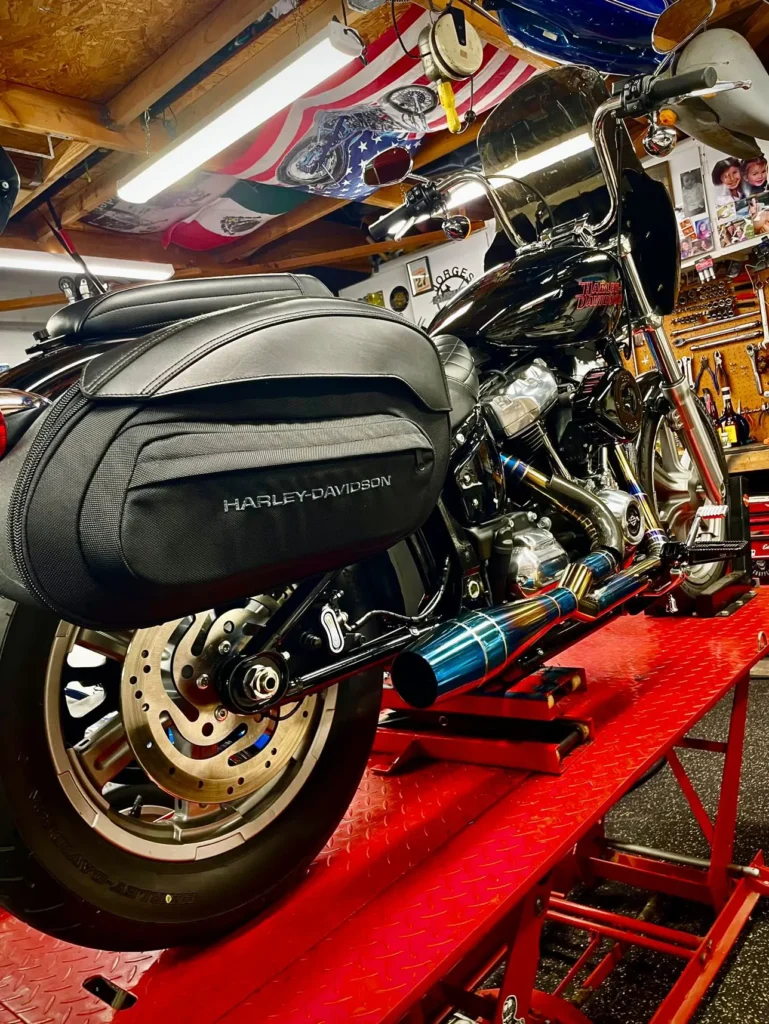
Ignoring the issue can reduce engine performance, increase fuel consumption, and even shorten the lifespan of important components. Fortunately, most causes are easy to identify if you understand how the exhaust system and engine work together.
This guide explains the most common reasons behind a motorcycle exhaust popping sound, how to diagnose the issue, and the best ways to solve it before it becomes more expensive.
Understanding a Motorcycle Exhaust Popping Sound
A motorcycle exhaust popping sound occurs when unburned fuel ignites inside the exhaust system instead of burning completely inside the combustion chamber. This extra combustion creates the familiar popping, crackling, or banging noise.
Several conditions can trigger this problem, including:
- Air leaks in the exhaust
- Incorrect air-fuel mixture
- Worn spark plugs
- ECU tuning problems
- Fuel delivery issues
- Ignition timing errors
A small pop during aggressive riding may not indicate serious trouble. However, frequent or loud popping deserves immediate inspection.
Exhaust Leaks
One of the most common reasons for a motorcycle exhaust popping sound is an exhaust leak.
Even a tiny gap between the exhaust header and the cylinder head allows fresh oxygen to enter the exhaust system. When unburned fuel reaches that oxygen, combustion happens inside the pipe instead of the engine.
Signs of an exhaust leak include:
- Loud popping during deceleration
- Ticking noise near the engine
- Reduced exhaust pressure
- Burn marks around exhaust joints
- Slight loss of engine power
Inspect every exhaust connection carefully. Tighten loose bolts and replace damaged gaskets whenever necessary.
Lean Air-Fuel Mixture
A lean air-fuel mixture contains too much air and not enough fuel.
This condition raises combustion temperatures and increases the chance that unburned fuel continues burning inside the exhaust system.
Common causes include:
- Dirty fuel injectors
- Intake air leaks
- Incorrect ECU settings
- Faulty fuel pump
- Clogged fuel filter
You may also notice:
- Hesitation during acceleration
- Poor throttle response
- Engine overheating
- Reduced engine performance
Correcting the fuel mixture usually eliminates the motorcycle exhaust popping sound and restores smooth engine operation.
Rich Air-Fuel Mixture
Too much fuel can also create popping.
When the engine receives more fuel than it can burn efficiently, excess gasoline enters the exhaust. The remaining heat ignites that fuel, creating loud pops or even backfires.
A rich mixture often causes:
- Black exhaust smoke
- Strong fuel smell
- High fuel consumption
- Carbon buildup
- Rough idling
Cleaning the fuel system and adjusting the fuel map often solve this issue.
Worn Spark Plugs
Spark plugs play a major role in complete combustion.
Old or damaged plugs may fail to ignite the fuel mixture properly. As a result, some fuel leaves the combustion chamber unburned and ignites inside the exhaust.
Inspect your spark plugs regularly for:
- Carbon deposits
- Oil contamination
- Damaged electrodes
- Incorrect spark plug gap
Replacing worn spark plugs is inexpensive and often removes the motorcycle exhaust popping sound immediately.
Incorrect ECU Tuning
Modern motorcycles rely on the Engine Control Unit (ECU) to manage fuel injection and ignition timing.
If someone installs an aftermarket exhaust without adjusting the ECU, the engine may run too lean or too rich. Either condition increases the likelihood of exhaust popping.
Improper ECU tuning can also cause:
- Slow throttle response
- Reduced horsepower
- Poor fuel economy
- Rough engine operation
Professional ECU remapping ensures the engine receives the correct fuel mixture for the modified exhaust system.
Faulty Fuel Injectors
Fuel injectors must spray fuel evenly and precisely.
Dirty or partially clogged injectors disrupt fuel atomization. Uneven fuel delivery prevents complete combustion, allowing leftover fuel to burn inside the exhaust.
Symptoms include:
- Rough idle
- Hard starting
- Poor acceleration
- Increased emissions
- Engine hesitation
Professional injector cleaning or replacement often restores proper engine performance.
Ignition Timing Problems
Ignition timing determines when the spark plug ignites the air-fuel mixture.
If ignition occurs too late, combustion continues while the exhaust valve opens. Flames and burning fuel then enter the exhaust system, creating popping noises.
Late ignition timing may result from:
- ECU programming errors
- Faulty crankshaft position sensor
- Damaged ignition components
Correct timing keeps combustion inside the engine where it belongs.
Dirty Air Filter
A neglected air filter restricts airflow into the engine.
Restricted airflow changes the fuel ratio and affects combustion quality. In many cases, the engine compensates poorly, producing incomplete combustion and a noticeable motorcycle exhaust popping sound.
Replace or clean the air filter according to your motorcycle manufacturer’s maintenance schedule.
A clean filter also improves:
- Fuel efficiency
- Engine response
- Power delivery
- Throttle smoothness
Loose Exhaust Components
Exhaust systems experience constant vibration.
Over time, mounting bolts, clamps, and brackets can loosen. Small movements create tiny leaks that introduce fresh oxygen into the exhaust.
Check:
- Exhaust flange bolts
- Mid-pipe clamps
- Muffler mounting brackets
- Exhaust springs
Tightening these components often eliminates unnecessary popping sounds.
Aftermarket Exhaust Systems
Many riders install performance exhausts for improved sound and power.
Some aftermarket systems naturally create mild popping because they offer less restriction than factory exhausts. However, excessive popping usually means the engine needs tuning.
Whenever you install a new exhaust, consider:
- ECU remapping
- Fuel controller adjustment
- Air-fuel ratio testing
- Professional installation
Proper tuning allows you to enjoy performance gains without unwanted popping.
How to Diagnose a Motorcycle Exhaust Popping Sound
Finding the exact cause requires a systematic inspection.
Start with these steps:
- Listen carefully to when the popping occurs.
- Inspect all exhaust connections for leaks.
- Check spark plug condition.
- Examine the air filter.
- Scan for ECU fault codes.
- Inspect fuel injectors.
- Verify fuel pressure.
- Test oxygen sensors if equipped.
- Review any recent modifications.
This process helps identify the real source instead of replacing parts unnecessarily.
How to Fix a Motorcycle Exhaust Popping Sound
Most repairs focus on restoring proper combustion.
Depending on the cause, solutions include:
- Replace damaged exhaust gaskets.
- Tighten loose exhaust bolts.
- Install new spark plugs.
- Clean the fuel injectors.
- Replace clogged air filters.
- Repair intake air leaks.
- Update ECU mapping.
- Adjust fuel delivery.
- Replace faulty sensors.
After completing the repair, test ride the motorcycle under different riding conditions to confirm that the motorcycle exhaust popping sound has disappeared.
Preventing a Motorcycle Exhaust Popping Sound
Preventive maintenance greatly reduces the chance of exhaust popping.
Follow these habits consistently:
- Perform scheduled engine maintenance.
- Replace spark plugs on time.
- Use high-quality fuel.
- Keep the air filter clean.
- Inspect exhaust bolts regularly.
- Service the fuel injection system.
- Tune the ECU after installing aftermarket exhausts.
- Repair exhaust leaks immediately.
- Avoid delaying routine inspections.
These simple practices keep your motorcycle running efficiently while extending engine life.
Conclusion
A motorcycle exhaust popping sound often points to incomplete combustion, exhaust leaks, fuel mixture problems, or ignition issues. Although occasional light popping may be normal on some performance motorcycles, persistent or loud popping should never be ignored.
Regular inspections, timely maintenance, and proper ECU tuning help eliminate the problem before it damages engine components or reduces riding performance. By identifying the root cause early and applying the correct repair, you can enjoy smoother acceleration, better fuel efficiency, and a quieter, healthier exhaust system.
