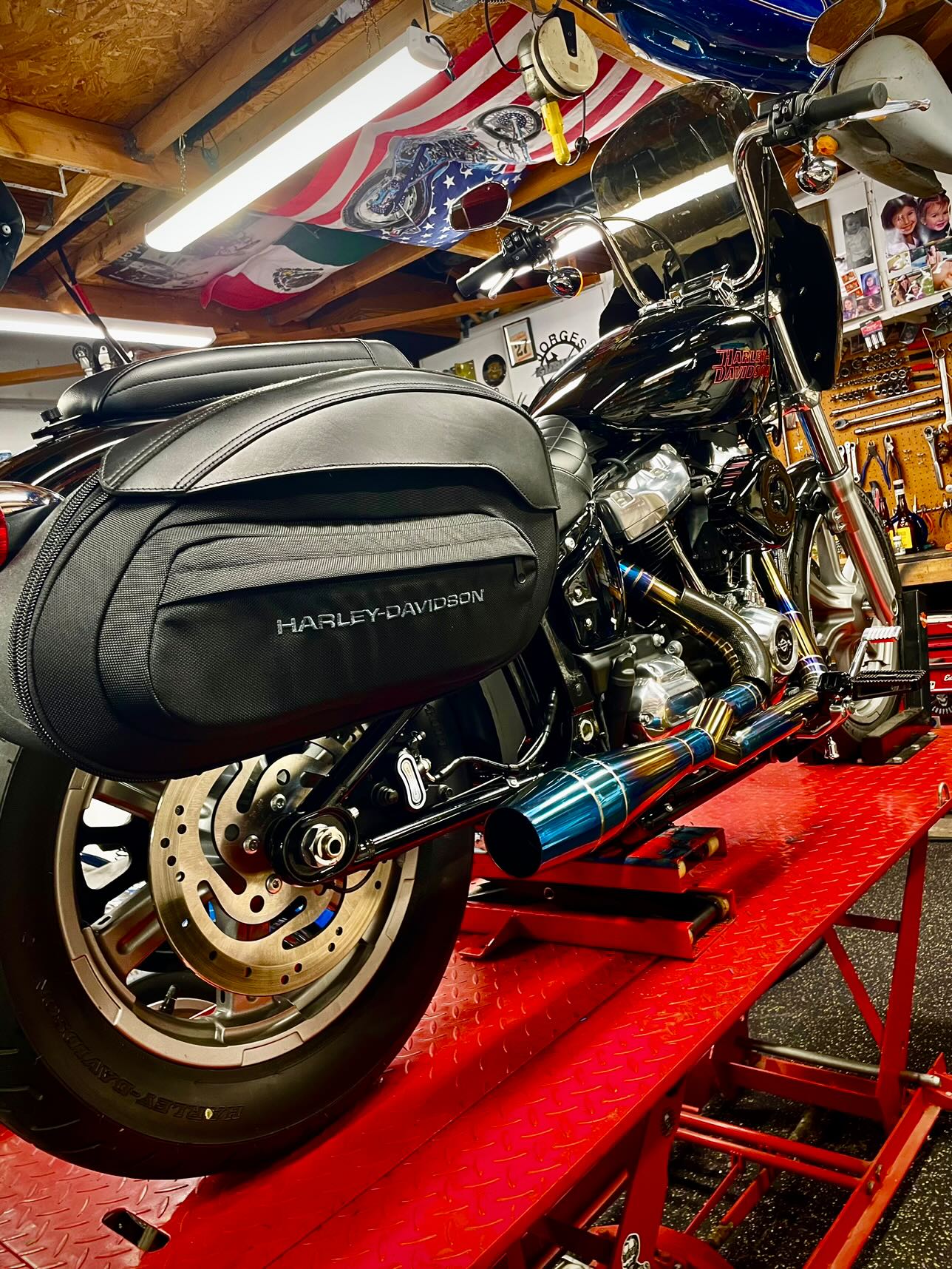
The exhaust system is not merely a component that removes combustion gases. It also controls exhaust flow, supports engine characteristics, and influences how a motorcycle produces power and torque. Therefore, replacing the exhaust with a different design can change engine response at both low and high RPM.
Many riders assume that a larger-diameter or louder exhaust automatically delivers higher performance. However, the relationship between exhaust design, power, and torque is far more complex. Header design, pipe diameter, pipe length, silencer configuration, and engine characteristics all determine the final result.
By understanding the exhaust impact on motorcycle power and torque, you can choose an exhaust system that matches your needs instead of simply chasing a louder sound or more aggressive appearance.
Exhaust Helps Control Gas Flow
The engine produces exhaust gases every time combustion finishes. These gases travel from the combustion chamber through the exhaust valve, header, and exhaust system. When the system moves exhaust gases efficiently, the engine can complete the next combustion cycle more effectively.
An exhaust pipe that is too narrow can increase flow restriction. This condition forces the engine to work harder to remove leftover gases. As a result, engine response can feel heavier, especially when the rider increases RPM.
However, a larger diameter does not automatically produce better results. An oversized pipe can reduce exhaust gas velocity under certain conditions. As a result, the engine may lose some low-RPM characteristics.
For this reason, manufacturers design exhaust systems with specific dimensions and shapes to match engine characteristics. Proper design helps the engine achieve a better balance between power and torque.
How Exhaust Affects Motorcycle Torque
Torque represents the engine's ability to produce rotational force at the crankshaft. In everyday riding, riders often feel torque when launching from a stop, accelerating, or climbing a hill.
The exhaust system can influence torque through exhaust gas velocity and pressure waves inside the pipes. When the exhaust design matches the engine, the gas flow can help create conditions that support cylinder filling within a specific RPM range.
On the other hand, an extreme exhaust change can shift the torque characteristics. For example, a motorcycle may feel more responsive at high RPM after receiving a freer-flowing exhaust. However, the same motorcycle may respond differently at low RPM.
Therefore, riders should determine their priorities before replacing an exhaust system. If you mainly ride in urban areas, low-end torque and initial throttle response usually matter more. Meanwhile, motorcycles frequently used at higher speeds can benefit from an exhaust design that supports higher-RPM performance.
How Exhaust Affects Motorcycle Power
Power has a close relationship with torque and engine speed. When an engine maintains torque at higher RPM, it can produce greater power.
Many aftermarket exhaust systems offer smoother gas flow than standard systems. This design can help the engine breathe more efficiently under certain conditions. However, simply installing a racing exhaust does not always increase engine power.
The engine needs the right balance of air, fuel, and exhaust flow. If one part of the system becomes unbalanced, an exhaust replacement may deliver little or no meaningful performance improvement.
Therefore, the exhaust design should match the engine's requirements. A small-displacement motorcycle needs a different exhaust character from a large-displacement motorcycle. Likewise, a stock engine requires a different approach from an engine that already uses modifications such as an upgraded intake, camshaft, or fuel system.
Header Diameter Changes Engine Characteristics
The header represents one of the most important sections of an exhaust system. It carries exhaust gases directly from the exhaust port toward the next section of the system.
Header diameter affects exhaust gas velocity. A smaller header diameter generally maintains higher gas velocity. This characteristic can support throttle response at low to mid RPM.
In contrast, a larger header provides more space for exhaust flow. This characteristic can support high-RPM performance, particularly when the engine produces a large volume of exhaust gas.
However, riders should never choose a header simply because it has the largest diameter. An engine that produces a smaller volume of exhaust gases may not benefit from an oversized header.
Therefore, header diameter should match engine displacement, camshaft characteristics, intake system, target RPM range, and riding goals.
Pipe Length Changes Power Characteristics
Besides diameter, pipe length also influences exhaust system behavior. Pressure waves travel through the exhaust pipes and can affect the process of removing combustion gases.
A specific pipe length can help an engine develop stronger torque within a particular RPM range. A design optimized for low RPM can therefore produce a different response from a design focused on high-RPM performance.
That explains why aftermarket exhaust manufacturers offer various configurations. They do not simply change pipe diameter. They also consider header length, collector shape, and muffler design.
Riders should understand these characteristics before choosing a product. An exhaust that produces a higher peak power figure does not necessarily feel better during everyday riding.
2-Into-1 Design and Its Performance Impact
A 2-into-1 configuration combines two exhaust paths from the engine into one main outlet. This design remains popular on various motorcycles, particularly motorcycles with twin-cylinder engines and larger displacement engines.
The configuration directs exhaust gases from two cylinders toward a single collector. A properly designed collector can help utilize pressure-wave characteristics while maintaining effective gas flow.
The final result depends on pipe diameter, header length, collector design, and engine characteristics. Therefore, two 2-into-1 exhaust systems with similar appearances can produce completely different power and torque characteristics.
On some engines, this configuration can deliver strong response within a particular RPM range. However, riders should still select the design according to the engine's characteristics and their riding requirements.
A Freer-Flowing Exhaust Is Not Always Better
Many riders believe that a freer-flowing exhaust will always produce more power. That assumption is not entirely correct.
An engine needs a balance between exhaust flow, gas velocity, and pressure-wave characteristics. When riders install an excessively free-flowing exhaust without considering the rest of the engine, the overall performance characteristics can change.
The motorcycle may feel lighter when reaching high RPM, while low-RPM response may decrease. In addition, changes in exhaust flow can affect fuel requirements on certain engines.
Therefore, do not use exhaust volume as an indicator of performance. A louder sound simply indicates a change in acoustic characteristics. Actual performance still depends on how effectively the exhaust system works with the engine.
ECU and Fuel System Also Matter
Replacing an exhaust can change exhaust gas flow characteristics. On fuel-injected motorcycles, these changes can interact with the engine management system.
If the rider makes only a mild exhaust change, the standard system can still handle the difference on some motorcycles. However, larger modifications may require adjustments to fuel delivery and ignition.
Riders who upgrade the intake and exhaust at the same time should consider ECU tuning. Proper tuning helps the engine receive a fuel mixture that better matches the new hardware configuration.
Therefore, the exhaust does not work independently. The intake system, ECU, camshaft, throttle body, and overall engine condition all contribute to the final performance result.
Stock Exhaust Still Has Advantages
Many riders consider the stock exhaust a restriction that limits performance. However, manufacturers design factory exhaust systems around multiple requirements.
A stock exhaust usually aims to balance performance, fuel economy, emissions, comfort, and noise levels. Therefore, a standard motorcycle can often operate efficiently with its factory exhaust system.
Riders should establish a clear goal before replacing the exhaust. If the goal involves improving throttle response or power, choose a design that matches the engine's characteristics. If the main goal involves changing appearance and sound, a simpler modification may already meet those needs.
This approach helps riders avoid excessive modifications that can reduce overall riding comfort.
How to Choose an Exhaust for Better Performance
Before purchasing an exhaust system, determine the motorcycle's desired characteristics. Decide whether you need stronger low-end torque, better mid-range acceleration, or stronger high-RPM power.
Next, match the exhaust design to the engine's displacement and current condition. A stock motorcycle requires a different system from a motorcycle with internal engine modifications.
Also consider header diameter, pipe length, collector configuration, and muffler design. Do not judge an exhaust solely by its outlet size or sound.
If possible, perform dyno testing before and after installation. This testing can show changes in horsepower and torque more objectively. With the data, you can determine whether the exhaust genuinely improves performance or simply changes the motorcycle's sound.
Conclusion
The exhaust impact on motorcycle power and torque depends on many factors, not simply pipe diameter or exhaust volume. The exhaust system controls gas flow and can change engine characteristics across different RPM ranges.
Header diameter, pipe length, 2-into-1 configuration, collector design, and muffler construction all influence the final result. In addition, the intake system and ECU must work together with the exhaust so the engine can take full advantage of the modification.
Therefore, choose an exhaust based on your engine characteristics and riding needs. The right exhaust does more than make your motorcycle sound more aggressive. It can also help deliver throttle response, power, and torque that better match your riding goals.