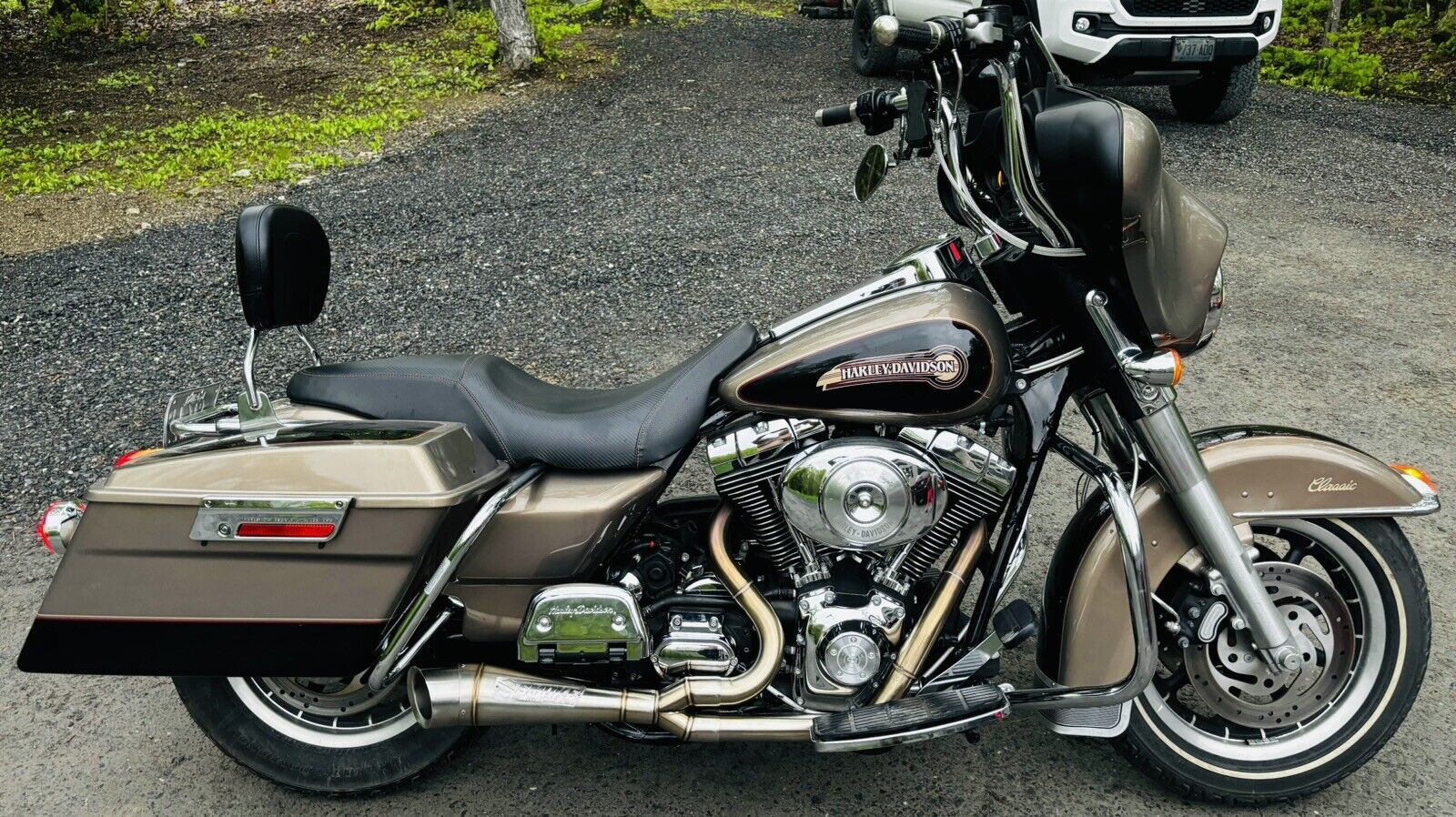
Choosing the right exhaust for a Harley-Davidson requires more than simply selecting a design that looks attractive. Each Harley-Davidson engine has its own power characteristics, exhaust volume, and airflow requirements. Therefore, an exhaust system that works well on a smaller engine may not deliver the same results on a larger engine.
An exhaust system can affect sound, throttle response, torque delivery, and the overall riding experience. If you choose a system that is too large or too free-flowing for a particular engine, the motorcycle may lose response at certain RPM ranges. On the other hand, an exhaust that restricts airflow too much can limit the engine's ability to release combustion gases efficiently.
Understanding these tips for choosing a Harley-Davidson exhaust based on engine capacity can help you select the right system without sacrificing the motorcycle's original character.
Know Your Harley-Davidson Engine Capacity
Harley-Davidson offers motorcycles with various engine capacities. Sportster, Softail, Touring, and other model families can use engines with different capacities and performance characteristics.
Smaller engines generally require an exhaust system that maintains proper exhaust gas velocity. Meanwhile, larger engines produce a greater volume of exhaust gases and therefore require a system that can move those gases more efficiently.
Before purchasing an exhaust, check your engine capacity and Harley-Davidson model year. This information helps narrow down your options and prevents you from choosing an incompatible system.
Match the Header Diameter to the Engine
Header diameter plays an important role when choosing a Harley-Davidson exhaust. The header receives exhaust gases directly from the cylinder head and directs them toward the muffler.
A header that is too small can restrict airflow when the engine produces a large volume of exhaust gas. This condition can make the engine feel less responsive at higher RPMs.
However, a larger diameter does not automatically produce more power. An oversized header can reduce exhaust gas velocity and change torque response at low and mid-range RPMs.
Therefore, choose a header diameter based on engine capacity and riding characteristics. A Harley-Davidson used for relaxed cruising may require a different setup from one frequently used for acceleration or long-distance touring.
Consider Harley-Davidson Torque Characteristics
Harley-Davidson motorcycles are well known for their strong torque characteristics, particularly models equipped with large V-Twin engines. Therefore, you should consider how an exhaust system affects this characteristic.
The right exhaust can help deliver power across the RPM range that you use most often. If you frequently ride in urban areas, prioritize strong low- and mid-range response.
For touring riders, an exhaust system that maintains consistent mid-range power can provide a more comfortable experience. This characteristic helps the motorcycle maintain smooth performance during long-distance rides.
Do not focus only on achieving a louder exhaust note. Consider how the system affects torque because this factor becomes more noticeable during everyday riding.
Choose an Exhaust System for Your Harley-Davidson Model
Your Harley-Davidson model also determines which exhaust system you can use. An exhaust designed for a Softail may not fit a Touring or Sportster because each model can have different frame configurations, engine layouts, mounting points, and exhaust routing.
Check the model and production year before purchasing an exhaust system. Make sure the product specifically supports your motorcycle.
For some Harley-Davidson models, a 2-into-1 exhaust system can provide an interesting option by combining two header pipes into a single exhaust outlet. This design can create a different performance and sound character compared with a dual exhaust configuration.
However, the design should still match your engine configuration and riding requirements.
Consider Muffler Size
The muffler controls exhaust sound while also influencing exhaust gas flow. Therefore, you should consider its size and internal design when selecting a Harley-Davidson exhaust.
A muffler that is too small can produce an excessively loud exhaust note. Besides reducing comfort, excessive noise can also disturb other road users and surrounding communities.
A very large muffler does not necessarily provide better performance either. Choose a size that offers a good balance between sound, exhaust flow, and engine characteristics.
If you use your Harley-Davidson for touring, consider a sound level that remains comfortable during hours of riding. If you prioritize a more aggressive exhaust note, choose a system that still maintains appropriate engine performance.
Choose a Durable Exhaust Material
Harley-Davidson motorcycles often handle long-distance rides, so exhaust materials need to withstand heat, vibration, and changing environmental conditions. Therefore, choose a material that can provide reliable long-term performance.
Stainless steel remains a popular option because it offers good corrosion resistance and strong construction. It also works well for riders who prioritize durability.
Besides the primary material, inspect the quality of the welds and connections. Harley-Davidson engines can produce noticeable vibration, so weak joints may develop problems after extended use.
Also check the brackets and mounting points. A properly mounted exhaust system can reduce excessive vibration and keep the exhaust securely positioned.
Match the Exhaust to Your Riding Style
Your riding style should influence your exhaust choice. A Harley-Davidson used for cruising requires different characteristics from one used for touring or performance-oriented riding.
If you mainly cruise, choose a system that provides strong low-RPM torque. This characteristic suits relaxed riding and helps the motorcycle respond smoothly when accelerating from a stop or exiting a corner.
For touring, prioritize a balance between power, sound, and comfort. An excessively loud exhaust can make long rides tiring.
If you prioritize performance, consider a system that supports efficient exhaust flow. However, always match the design to your engine capacity and other performance components.
Avoid Oversized Headers
One common mistake among Harley-Davidson owners involves assuming that a larger header diameter always produces more performance. In reality, header size needs to match the engine's requirements.
An oversized header can reduce exhaust gas velocity. This change can affect torque characteristics and throttle response, especially at lower RPMs.
Therefore, do not choose a header based solely on its appearance. Select a system with proportions that match your Harley-Davidson engine.
This approach helps preserve the strong torque characteristics that make Harley-Davidson motorcycles distinctive.
Consider ECU Tuning
Changing the exhaust can alter exhaust gas flow. On Harley-Davidson motorcycles equipped with electronic fuel injection, significant airflow changes can affect fuel requirements and engine response.
If you only replace the mufflers with a relatively minor change, the motorcycle may continue to operate properly without major adjustments. However, a more extensive exhaust modification may require further evaluation of the engine's fuel and tuning parameters.
Pay attention to symptoms such as inconsistent throttle response, hesitation, or noticeable changes in fuel consumption after installing a new exhaust. If these symptoms appear, inspect the motorcycle before continuing regular use.
For larger performance modifications, ECU tuning can help optimize the engine for the new exhaust system.
Consider Sound and Riding Comfort
Sound remains one of the biggest reasons Harley-Davidson owners replace their exhaust systems. The distinctive V-Twin sound forms an important part of the Harley-Davidson riding experience.
However, louder does not automatically mean better performance. The exhaust system should provide a balance between sound and comfort.
If you use your motorcycle every day, choose a sound level that remains comfortable during long rides. You can also consider a system that supports a removable or compatible db killer when available.
This approach gives you greater flexibility while helping maintain a reasonable sound level for different riding conditions.
Check the Model Year and Fitment
The production year is another factor you should never overlook. Harley-Davidson can introduce changes to engine configurations, mounting points, sensors, and emission systems between different generations.
Therefore, do not search for an exhaust based only on the model name. Check the production year and engine capacity as well.
For example, an exhaust designed for one generation of Softail may not use the same mounting configuration as a newer generation. Small differences in mounting points or header routing can make installation more difficult.
Always verify the fitment information before purchasing to ensure that the exhaust system matches your specific Harley-Davidson.
Choose an Exhaust Based on Engine Capacity
Ultimately, these tips for choosing a Harley-Davidson exhaust based on engine capacity focus on achieving the right balance. You need to consider engine capacity, header diameter, exhaust design, muffler size, material, torque characteristics, and riding style.
Do not choose an exhaust solely because it produces a louder sound or has an aggressive appearance. Choose a system that works in harmony with your Harley-Davidson engine.
Larger engines require an exhaust system capable of handling a higher volume of exhaust gases, while smaller engines need a system that maintains appropriate exhaust gas velocity.
By choosing an exhaust based on engine capacity, model, production year, and riding requirements, you can achieve a better combination of sound, throttle response, and performance. The right exhaust does more than change the appearance of your Harley-Davidson—it can also help preserve the distinctive riding character that makes the motorcycle unique.