
A stainless steel exhaust is one of the most popular upgrades for motorcycle enthusiasts because it combines durability with a clean, premium appearance. However, many riders assume that stainless steel never requires maintenance. In reality, tips cleaning stainless exhaust should become part of every motorcycle owner’s routine if they want to preserve the exhaust’s shine and extend its lifespan.
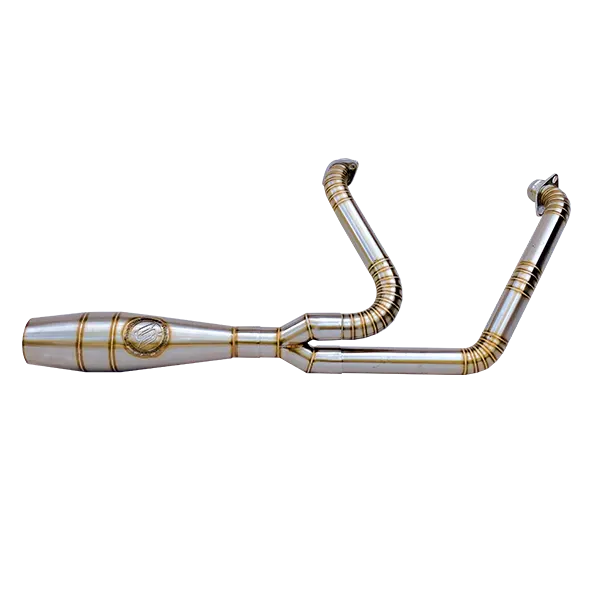
Every ride exposes the exhaust to road dust, mud, rainwater, engine heat, oil residue, and carbon deposits. Over time, these contaminants reduce the natural shine of stainless steel and create stubborn stains that become harder to remove. Furthermore, continuous exposure to high temperatures can cause yellow, blue, or golden discoloration on the header pipe.
Fortunately, you can restore the original finish without spending a fortune or using complicated equipment. By following the correct cleaning techniques, choosing the right products, and avoiding common mistakes, you can keep your stainless exhaust looking almost new throughout the year.
This guide explains every important step, from preparing the necessary tools to maintaining a polished finish after each cleaning session.
Why Stainless Steel Exhaust Still Needs Regular Maintenance
Many motorcycle owners purchase stainless steel exhaust systems because they resist corrosion better than ordinary steel. Although stainless steel offers excellent protection against rust, it does not resist dirt, oxidation, or discoloration forever.
Each time you start the engine, the exhaust experiences extreme heat. At the same time, dirt, road salt, moisture, and oil particles stick to its surface. These contaminants gradually cover the protective chromium layer that gives stainless steel its corrosion resistance.
If you ignore regular cleaning, the exhaust slowly loses its reflective finish. Instead of looking bright and polished, it begins to appear dull and neglected.
Routine maintenance removes harmful contaminants before they permanently affect the surface. As a result, your motorcycle maintains a cleaner appearance while the exhaust remains in excellent condition for years.
Tips Cleaning Stainless Exhaust Before You Start
Preparation plays an important role in achieving the best cleaning results. Gathering the proper equipment beforehand also prevents accidental scratches or unnecessary damage.
Prepare the following items before you begin:
- Clean water
- Motorcycle shampoo or pH-neutral car wash soap
- Two microfiber cloths
- A soft sponge
- Stainless steel cleaner
- Metal polish specifically designed for stainless steel
- Soft detailing brush
- Protective gloves
Avoid using steel brushes, coarse sandpaper, or abrasive cleaning pads. Although these tools remove stains quickly, they leave fine scratches that permanently reduce the polished appearance.
Equally important, allow the exhaust to cool completely before cleaning. Applying water or cleaning chemicals to a hot exhaust can leave water spots, reduce the effectiveness of cleaning products, and even create permanent marks.
Taking a few extra minutes to prepare properly makes the entire cleaning process safer and far more effective.
Wash Away Surface Dirt First
One of the biggest mistakes riders make is immediately applying metal polish to a dirty exhaust. Dirt particles trapped between the cloth and the stainless steel can create countless tiny scratches.
Instead, begin by rinsing the entire exhaust with clean water. This simple step removes loose dust, sand, and road debris.
Next, mix motorcycle shampoo with clean water according to the product instructions. Dip a soft sponge into the solution and gently wipe every section of the exhaust.
Use light pressure while moving the sponge in straight, consistent strokes. Avoid aggressive scrubbing because excessive force rarely improves cleaning performance.
Pay extra attention to areas near the engine, where grease and road grime tend to accumulate.
After washing the entire exhaust, rinse it thoroughly until no soap remains. Finally, dry every surface immediately using a clean microfiber towel. Drying prevents mineral deposits from forming unattractive water spots on the stainless steel.
A properly washed exhaust already looks noticeably cleaner before deeper polishing begins.
Remove Stubborn Stains Without Damaging the Surface
Even with regular washing, some contaminants remain attached to the stainless steel. Burned oil, carbon residue, tar, and heat marks often require additional treatment.
Apply a high-quality stainless steel cleaner directly onto the affected area or onto a microfiber cloth. Allow the cleaner to sit for several minutes so it can loosen the contamination.
Once the cleaner has had enough time to work, wipe the surface gently using straight motions that follow the grain of the stainless steel whenever possible.
If necessary, repeat the process instead of increasing pressure.
Patience produces much better results than aggressive scrubbing.
For hard-to-reach areas around welds or mounting brackets, use a soft detailing brush. Its flexible bristles help remove trapped dirt without scratching the metal.
When working on blue or golden heat discoloration, use products specifically designed for stainless steel restoration. Generic household cleaners often fail to remove oxidation effectively and may even damage the finish.
Restore the Shine with a Quality Metal Polish
Once the exhaust is completely clean, you can restore its original shine by applying a stainless steel metal polish. This step not only improves the appearance but also creates a protective layer that makes future cleaning much easier.
Start by applying a small amount of metal polish to a clean microfiber cloth. A little product goes a long way, so avoid using excessive amounts.
Next, rub the polish evenly across the exhaust using small circular motions. Work on one section at a time instead of covering the entire exhaust at once. This approach helps you achieve a more consistent finish.
Allow the polish to dry according to the manufacturer’s instructions. Afterward, buff the surface with another clean microfiber cloth until the stainless steel develops a bright, reflective shine.
If you notice any dull spots, simply repeat the polishing process on those specific areas. Several light applications usually produce better results than one heavy application.
With regular polishing, your stainless exhaust will maintain its premium appearance while resisting fingerprints, water spots, and light oxidation.
Avoid Common Cleaning Mistakes
Many motorcycle owners unknowingly shorten the lifespan of their exhaust because they use improper cleaning methods. Understanding these common mistakes helps you protect your investment and maintain the stainless steel finish for years.
One of the biggest mistakes involves using steel wool or wire brushes. Although these tools remove stubborn stains quickly, they also scratch the surface permanently. Even tiny scratches reduce the mirror-like finish that makes stainless steel attractive.
Another common mistake is cleaning the exhaust while it is still hot. High temperatures cause cleaning products to evaporate too quickly, leaving streaks and uneven marks. In addition, sudden temperature changes may create water spots that become difficult to remove.
Some riders also use household chemicals such as bleach, strong acids, or highly alkaline cleaners. These products can damage the protective chromium layer and accelerate discoloration over time.
Furthermore, leaving the exhaust wet after washing often creates mineral deposits from tap water. Always dry the exhaust immediately with a microfiber towel to preserve its polished appearance.
Finally, avoid using dirty cloths. Dust particles trapped inside old towels act like fine sandpaper and create microscopic scratches across the stainless steel surface.
By avoiding these simple mistakes, you significantly improve the long-term appearance of your motorcycle exhaust.
Create a Regular Cleaning Schedule
Consistency always produces better results than occasional deep cleaning.
Instead of waiting until the exhaust becomes heavily stained, clean it on a regular schedule. Frequent maintenance prevents dirt from bonding strongly to the stainless steel, making every cleaning session faster and easier.
If you ride your motorcycle every day, wash the exhaust once each week. Riders who frequently travel through rain, muddy roads, or dusty environments should rinse the exhaust as soon as possible after returning home.
Apply metal polish every four to eight weeks, depending on riding conditions. Motorcycles used for long-distance touring or weekend rides may only require polishing every two months.
Meanwhile, inspect the exhaust during every motorcycle wash. Look for oil stains, road tar, loose mounting bolts, or early signs of discoloration. Addressing small issues immediately prevents larger problems later.
Developing a simple maintenance routine requires very little time but delivers noticeable improvements throughout the year.
Protect Your Stainless Exhaust During Storage
Cleaning alone does not guarantee a long-lasting finish. Proper storage also plays a significant role in keeping stainless steel bright and attractive.
Whenever possible, park your motorcycle in a dry, well-ventilated garage. Limiting exposure to rain, humidity, and direct sunlight helps preserve both the exhaust and other motorcycle components.
If you use a motorcycle cover, choose one made from breathable material. A fully sealed cover traps moisture underneath, which encourages oxidation and leaves water marks on metal surfaces.
Before storing your motorcycle for an extended period, clean and polish the exhaust thoroughly. Removing dirt and applying a protective polish reduces the risk of permanent staining while the motorcycle remains unused.
You should also start the engine occasionally during long-term storage. Allowing the exhaust to reach operating temperature helps evaporate trapped moisture inside the exhaust system.
These small preventive measures greatly reduce maintenance work when you begin riding again.
Know When Professional Cleaning Is Necessary
Although regular maintenance removes most stains, some exhaust systems eventually develop severe discoloration or deep oxidation.
If ordinary stainless steel cleaners no longer restore the finish, professional polishing may provide better results. Motorcycle detailing specialists use specialized polishing compounds and machine buffers that safely remove heavy oxidation while preserving the stainless steel surface.
Professional cleaning also benefits riders who own premium aftermarket exhaust systems. High-end exhausts deserve careful treatment because improper polishing can permanently affect their appearance.
However, professional detailing should complement routine maintenance—not replace it. Regular cleaning at home remains the most effective way to preserve a polished finish and minimize long-term restoration costs.
Final Tips Cleaning Stainless Exhaust for Long-Lasting Results
Following the right tips cleaning stainless exhaust is one of the simplest ways to keep your motorcycle looking clean, well-maintained, and professionally cared for. Stainless steel offers excellent durability, but it still requires consistent maintenance to preserve its bright finish and resist stains caused by heat, road debris, and everyday riding conditions.
Instead of waiting until the exhaust becomes heavily discolored, make cleaning part of your regular motorcycle care routine. Wash the exhaust after riding through rain or muddy roads, remove stubborn stains with products specifically designed for stainless steel, and finish every cleaning session with a quality metal polish. These small habits take only a short amount of time, yet they significantly improve the appearance of your motorcycle.
In addition, always use soft microfiber cloths and non-abrasive cleaning products. Gentle cleaning methods protect the stainless steel surface from scratches while preserving its natural shine. Equally important, allow the exhaust to cool before cleaning and dry it thoroughly after washing to prevent water spots and mineral deposits.
Proper storage also contributes to long-term durability. Parking your motorcycle in a dry, covered location reduces exposure to moisture and environmental contaminants. If you store the motorcycle for several weeks or months, clean and polish the exhaust beforehand so it remains protected during storage.
Although stainless steel is naturally resistant to corrosion, it performs best when owners give it regular attention. Routine maintenance not only improves the appearance of the exhaust but also helps you identify loose hardware, excessive discoloration, or other issues before they become expensive repairs.
Ultimately, maintaining a stainless steel exhaust is not difficult. With the right tools, proper techniques, and a consistent cleaning schedule, you can preserve its polished finish for many years. By applying these tips cleaning stainless exhaust, your motorcycle will continue to stand out with a clean, glossy exhaust that reflects the same level of care you give to the rest of your bike.
Frequently Asked Questions
How often should I clean a stainless steel motorcycle exhaust?
For motorcycles used daily, cleaning the exhaust once a week is generally sufficient. However, if you frequently ride in rainy weather, dusty environments, or muddy conditions, clean it as soon as possible after each ride to prevent stains from settling on the surface.
Can I use household cleaners on a stainless steel exhaust?
It is better to avoid harsh household cleaners such as bleach, strong acids, or abrasive powders. Instead, choose cleaning products specifically formulated for stainless steel because they clean effectively without damaging the protective surface.
Why does my stainless steel exhaust turn blue or yellow?
Blue, gold, or yellow discoloration usually results from high operating temperatures. This heat reaction is normal for stainless steel exhaust systems. Regular polishing with a stainless steel cleaner can reduce the appearance of heat stains, although some discoloration may naturally return over time.
Does polishing damage stainless steel?
No. Using a quality metal polish designed for stainless steel actually helps protect the surface and restore its shine. Problems only occur when abrasive compounds or improper polishing tools are used.
Can scratches be removed from a stainless steel exhaust?
Light surface scratches can often be minimized with stainless steel polish. However, deeper scratches may require professional polishing or refinishing to restore the original appearance.
