
Introduction
Why does a motorcycle engine overheat? This question often concerns riders because excessive engine heat can reduce performance, increase fuel consumption, and shorten the lifespan of important engine components. Whether you ride a Yamaha NMAX, Yamaha Aerox, Honda ADV 160, Honda Stylo 160, or Yamaha XMAX, understanding why your engine overheats helps you prevent expensive repairs and maintain reliable performance.
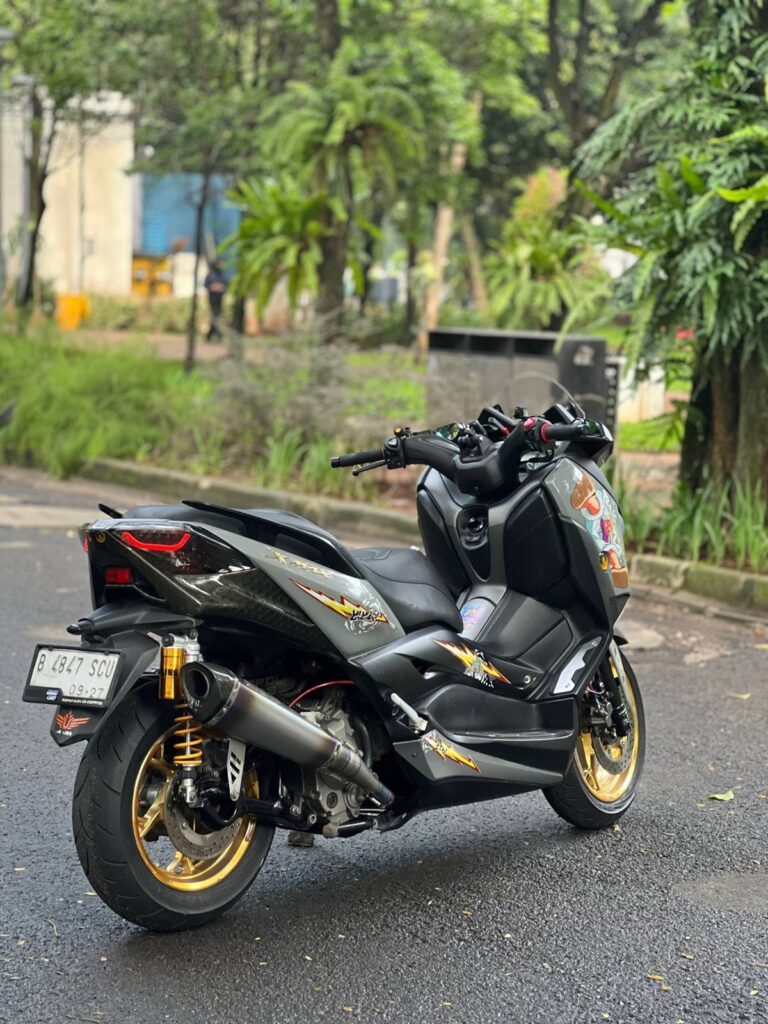
XMAX motorcycle with an original ST-1 Smoke muffler.
A motorcycle engine naturally produces heat whenever it burns fuel. However, the cooling system should control that heat and keep the engine within its normal operating temperature. When one or more components fail to perform properly, the engine temperature rises beyond its ideal range. As a result, the motorcycle may lose power, consume more fuel, or even suffer severe mechanical damage.
Fortunately, most overheating problems develop gradually rather than suddenly. Therefore, if you recognize the warning signs early and perform regular maintenance, you can avoid major engine issues. In this guide, you will learn why does a motorcycle engine overheat, the most common causes, the warning signs, and the best ways to keep your motorcycle running smoothly.
Understanding Engine Heat
Every motorcycle engine creates heat during combustion. The explosion inside the combustion chamber pushes the piston downward and generates the power that moves the motorcycle forward.
Although heat is essential for engine operation, excessive heat creates problems. For that reason, manufacturers equip motorcycles with cooling systems that regulate engine temperature.
Modern scooters generally use either an air-cooling system or a liquid-cooling system. Air-cooled engines release heat directly into the surrounding air, while liquid-cooled engines circulate coolant through the engine before transferring heat to the radiator.
As long as every cooling component works correctly, the engine stays within its designed operating temperature.
Why Does a Motorcycle Engine Overheat?
Several factors can cause excessive engine temperature. In many cases, more than one issue contributes to the problem.
Low Engine Oil
Engine oil does much more than lubricate moving parts. It also helps remove heat from internal engine components.
When the oil level drops below the recommended amount, friction increases significantly. Consequently, metal components generate more heat while moving against each other.
Old engine oil can also lose its lubricating ability. Even if the oil level appears sufficient, degraded oil cannot protect the engine as effectively as fresh oil.
Checking the oil level regularly remains one of the simplest ways to prevent overheating.
Dirty Radiator
Many modern motorcycles, including premium scooters, rely on liquid cooling.
The radiator transfers engine heat into the surrounding air. However, dirt, insects, mud, and road debris often accumulate between the radiator fins. As airflow decreases, the radiator loses its ability to release heat efficiently.
Eventually, coolant temperature rises, and the engine begins to overheat.
Cleaning the radiator periodically helps maintain consistent cooling performance.
Low Coolant Level
Coolant absorbs heat from the engine before carrying it to the radiator.
If the coolant level becomes too low, the cooling system cannot circulate enough fluid to remove heat efficiently. Consequently, engine temperature rises much faster, especially during long rides or heavy traffic.
Many riders forget to inspect the coolant reservoir because they assume coolant never decreases. In reality, coolant can gradually evaporate or leak through damaged hoses or worn seals.
Checking the coolant level only takes a few minutes but can prevent expensive engine repairs.
Cooling Fan Failure
Most liquid-cooled motorcycles use an electric cooling fan.
The fan activates automatically when coolant temperature reaches a predetermined level. It forces additional air through the radiator, particularly when the motorcycle stops in traffic.
If the cooling fan motor, relay, fuse, or temperature sensor fails, airflow decreases dramatically while the motorcycle remains stationary.
As a result, the engine temperature climbs rapidly during traffic jams.
Clogged Air Filter
Many riders overlook the air filter because it sits inside the airbox.
However, the engine requires a proper air-fuel mixture for efficient combustion. A dirty air filter restricts airflow and disrupts combustion.
Poor combustion generates unnecessary heat while reducing engine efficiency.
Replacing or cleaning the air filter according to the maintenance schedule keeps combustion stable and helps control engine temperature.
Incorrect Fuel
Fuel quality also affects combustion temperature.
Using gasoline with an octane rating lower than the manufacturer’s recommendation may cause knocking in high-compression engines. The engine management system often compensates by adjusting ignition timing. Nevertheless, combustion may become less efficient, causing additional heat under certain riding conditions.
Choosing the recommended fuel supports cleaner combustion and more stable engine temperatures.
Continuous Heavy Riding
Motorcycles experience greater stress during demanding riding conditions.
For example, carrying a passenger, climbing steep hills, riding at high speed for long periods, or transporting heavy cargo forces the engine to work harder.
Naturally, the engine produces more heat while generating additional power.
Although modern motorcycles can handle these situations, frequent heavy riding requires proper maintenance and an efficient cooling system.
Signs of an Overheating Motorcycle Engine
Recognizing the symptoms early helps prevent severe engine damage.
Watch for these warning signs:
- The temperature indicator rises above normal.
- The cooling fan runs almost continuously.
- Engine performance drops noticeably.
- Acceleration feels sluggish.
- Fuel consumption increases.
- The engine emits an unusual burning smell.
- Steam appears near the radiator.
- The engine stalls unexpectedly after prolonged riding.
If you notice one or more of these symptoms, stop riding as soon as it is safe. Allow the engine to cool before inspecting the motorcycle.
Ignoring overheating often leads to much more expensive repairs.
The Risks of Ignoring Engine Overheating
Ignoring an overheating engine can create serious mechanical problems. At first, the motorcycle may only lose power or feel less responsive. However, if the temperature continues to rise, the damage can become much more severe.
Excessive heat causes engine oil to lose its lubricating properties. As lubrication decreases, friction increases and internal components wear out faster. Pistons, piston rings, valves, and cylinder walls can all suffer premature damage.
In severe cases, overheating can warp the cylinder head or damage the head gasket. These repairs often require significant labor and replacement parts, making them much more expensive than routine maintenance.
Furthermore, prolonged overheating may shorten the lifespan of the water pump, radiator hoses, thermostat, and cooling fan. Instead of fixing a simple issue early, riders often face multiple repairs because they ignored the warning signs.
For these reasons, every rider should treat engine overheating as a problem that requires immediate attention.
How to Prevent Motorcycle Engine Overheating
Preventing overheating is much easier than repairing engine damage. Fortunately, a few simple maintenance habits can make a significant difference.
Check Engine Oil Regularly
Always inspect the engine oil before long trips. Make sure the oil level stays within the recommended range and replace the oil according to the service schedule.
Fresh engine oil reduces friction, improves lubrication, and helps transfer heat away from moving components.
Monitor the Coolant Level
If your motorcycle uses a liquid-cooling system, inspect the coolant reservoir regularly.
Never allow the coolant level to fall below the minimum mark. Additionally, replace old coolant according to the manufacturer’s maintenance schedule because coolant gradually loses its cooling efficiency over time.
Clean the Radiator
Dust, mud, insects, and road debris can block airflow through the radiator.
Wash the radiator carefully with clean water and remove dirt trapped between the cooling fins. Better airflow allows the radiator to release heat more effectively.
Replace the Air Filter
A clean air filter supports proper combustion.
Inspect the air filter during routine maintenance and replace it whenever it becomes excessively dirty. Good airflow helps the engine burn fuel efficiently while maintaining a stable operating temperature.
Use the Recommended Fuel
Always choose fuel that matches your motorcycle’s compression ratio.
Using the correct octane rating promotes smoother combustion, reduces knocking, and helps the engine operate more efficiently under different riding conditions.
Avoid Unnecessary Idling
Leaving the engine idling for long periods creates unnecessary heat, especially in hot weather.
If you expect to stop for several minutes, consider turning off the engine whenever it is safe to do so. This simple habit reduces heat buildup and also saves fuel.
Simple Maintenance Tips
Routine maintenance remains the best defense against overheating.
Follow these practical tips to keep your motorcycle in excellent condition:
- Check engine oil every few weeks.
- Inspect coolant before long rides.
- Clean the radiator periodically.
- Replace worn spark plugs on schedule.
- Keep the air filter clean.
- Inspect radiator hoses for leaks or cracks.
- Listen for unusual engine noises.
- Follow the manufacturer’s recommended service intervals.
Small maintenance tasks require very little time, but they significantly improve engine reliability.
Common Myths About Engine Overheating
Many riders misunderstand why motorcycle engines overheat. Let’s clear up a few common myths.
Myth 1: A Hot Engine Always Means Something Is Broken
Not necessarily.
Motorcycle engines naturally become hot during operation. The real concern begins when the temperature exceeds the normal operating range or the warning indicator appears.
Myth 2: Water Can Replace Coolant Permanently
Plain water may provide temporary cooling during an emergency.
However, coolant contains additives that prevent corrosion, improve heat transfer, and protect the cooling system. Therefore, coolant should always replace plain water whenever possible.
Myth 3: Higher-Octane Fuel Prevents Every Overheating Problem
Higher-octane fuel supports proper combustion only when the engine requires it.
If the radiator is clogged or the coolant leaks, premium fuel alone cannot solve the overheating issue.
Frequently Asked Questions
Why does a motorcycle engine overheat while riding in traffic?
Heavy traffic reduces airflow through the radiator. Although the cooling fan helps lower the temperature, extended stop-and-go riding can still increase engine heat.
Can low engine oil cause overheating?
Yes. Low engine oil increases friction between moving parts, which generates additional heat and reduces cooling efficiency.
Is it safe to continue riding an overheating motorcycle?
No. Riding with an overheating engine may cause severe internal damage. Stop safely, allow the engine to cool, and inspect the motorcycle before continuing your trip.
How often should I replace coolant?
Most manufacturers recommend replacing coolant every two to three years or according to the maintenance schedule in the owner’s manual.
Conclusion
If you have ever wondered, why does a motorcycle engine overheat, the answer usually involves maintenance, cooling efficiency, or riding conditions. Low engine oil, insufficient coolant, a dirty radiator, clogged air filters, cooling fan failures, and incorrect fuel can all increase engine temperature.
Fortunately, most overheating problems are preventable. By performing regular maintenance, checking fluid levels, cleaning the cooling system, and following the manufacturer’s recommendations, you can keep your motorcycle running smoothly for years.
Whether you ride a Yamaha NMAX, Aerox, XMAX, Honda ADV 160, Honda Stylo 160, or another modern scooter, proactive maintenance remains the best way to protect your engine. A well-maintained cooling system not only improves performance but also extends engine life and reduces repair costs.
