
Introduction
The function of a DB killer on a motorcycle exhaust is often misunderstood by motorcycle enthusiasts and everyday riders alike. Many people assume that a DB killer only reduces exhaust noise, but this small component serves a much bigger purpose. It helps maintain a balance between sound quality, riding comfort, and exhaust performance.
Today, many riders replace their factory exhaust systems with aftermarket options to achieve a sportier appearance or a deeper exhaust tone. However, some immediately remove the DB killer because they believe a louder exhaust automatically delivers more power. In reality, removing this component does not always improve engine performance and may even create several disadvantages.
Understanding the function of a DB killer on a motorcycle exhaust allows riders to make informed decisions before modifying their exhaust systems. By learning how it works and the benefits it provides, you can choose the setup that best matches your riding style and daily needs.
Function of a DB Killer on a Motorcycle Exhaust
The primary function of a DB killer on a motorcycle exhaust is to reduce exhaust noise while maintaining a smooth flow of exhaust gases. This component is usually installed at the end of the exhaust muffler and features a perforated tube that controls the movement of exhaust gases.
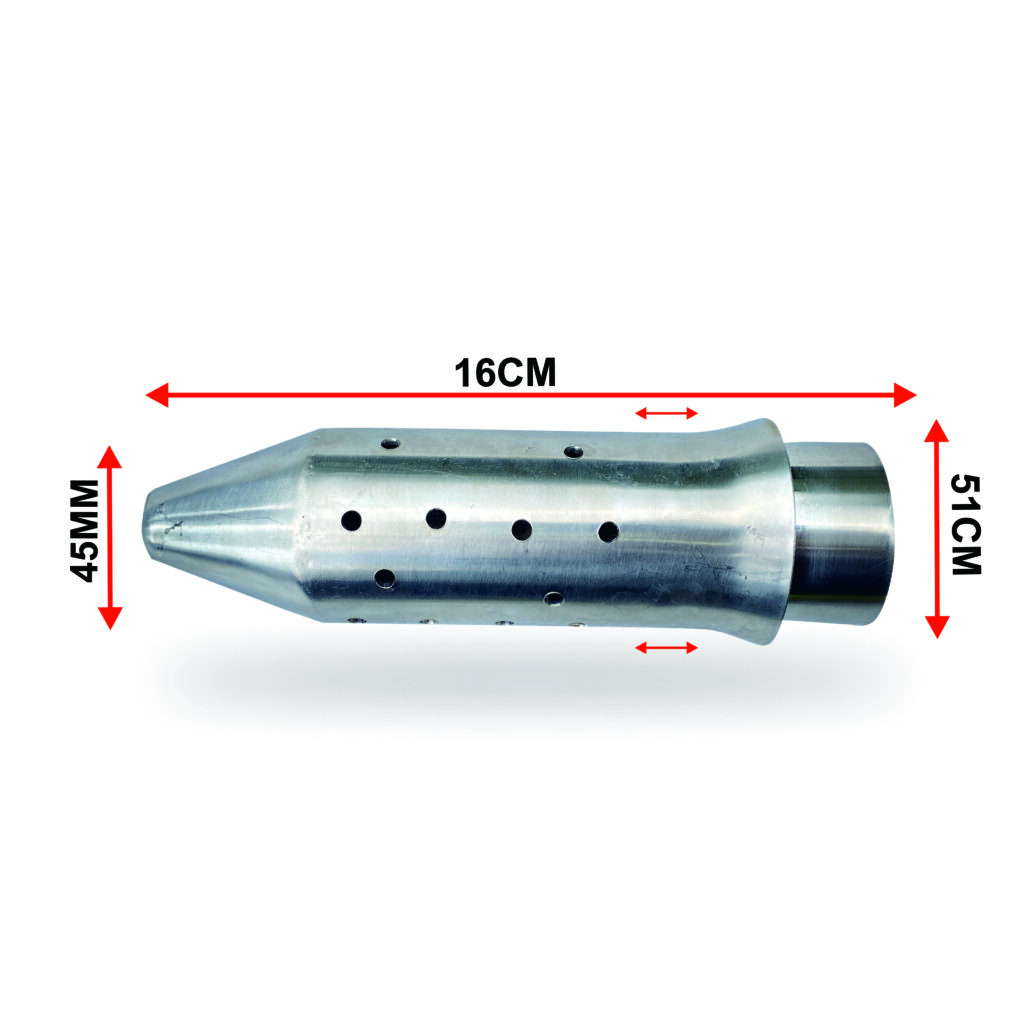
As hot exhaust gases pass through the DB killer, the internal design breaks up and absorbs sound waves before they exit the muffler. As a result, the exhaust produces a quieter and more refined sound instead of an excessively loud one.
Besides lowering noise levels, a DB killer helps preserve the exhaust’s sound quality. Rather than creating a harsh or broken exhaust note, it delivers a deeper and cleaner tone that many riders find more enjoyable.
Because of these advantages, most reputable aftermarket exhaust manufacturers include a removable DB killer with their products.
How a DB Killer Works
A DB killer operates by controlling both sound waves and exhaust gas flow.
During combustion, the engine pushes exhaust gases through the header pipe and into the muffler. Before the gases leave the exhaust tip, they pass through the DB killer’s smaller-diameter tube.
The reduced diameter slightly slows the gas flow while allowing pressure waves to disperse. Small perforations along the tube further break up sound waves, significantly lowering the overall noise level.
Although the DB killer creates a slight restriction, manufacturers carefully design its dimensions to minimize performance loss during normal riding conditions.
Consequently, most standard motorcycles experience little to no noticeable decrease in power while still benefiting from quieter exhaust operation.
Benefits of Using a DB Killer
Installing a DB killer offers several important benefits for both riders and the surrounding community.
One of the biggest advantages is reduced noise pollution. Loud exhaust systems often disturb nearby residents, pedestrians, and other road users, especially in residential neighborhoods, hospitals, and school zones.
Another benefit is improved riding comfort. Excessive exhaust noise can become tiring during long rides. A quieter exhaust helps reduce fatigue, allowing riders to stay focused for longer periods.
A DB killer also helps riders comply with local noise regulations. Many regions enforce legal sound limits for motorcycles, and keeping the DB killer installed can reduce the risk of receiving fines due to excessive exhaust noise.
Finally, many riders prefer the smoother and deeper sound produced by an exhaust equipped with a DB killer because it feels more refined and professional.
Does a DB Killer Affect Engine Performance?
This question remains one of the most common topics among motorcycle enthusiasts.
Technically, a DB killer creates a small amount of exhaust restriction. However, the effect on engine performance is generally minimal, especially for motorcycles with stock engine configurations.
Many riders assume that removing the DB killer instantly increases horsepower. In reality, that assumption is often inaccurate. On some motorcycles, removing the DB killer actually reduces low-end torque, making acceleration feel weaker during everyday riding.
Modern fuel injection systems and engine tuning are carefully calibrated to match specific exhaust characteristics. Dramatically changing exhaust flow without proper tuning may reduce overall engine efficiency.
Therefore, riders should not expect significant performance gains simply by removing the DB killer. A complete performance upgrade usually requires proper ECU tuning and additional engine modifications.
When Should You Keep the DB Killer Installed?
For most daily riders, keeping the DB killer installed is the smartest choice.
It keeps exhaust noise at a comfortable level while maintaining a pleasant riding experience for both the rider and nearby traffic.
The DB killer also becomes especially valuable during long-distance touring. Continuous exposure to extremely loud exhaust noise can increase fatigue and reduce rider concentration over time.
In addition, passengers often appreciate the quieter exhaust because it creates a more comfortable journey.
When Should You Remove the DB Killer?
Although keeping the DB killer installed is recommended for most riders, there are situations where removing it may be appropriate.
For example, some riders participate in closed-circuit racing or motorcycle competitions where noise regulations differ from public roads. In these environments, maximizing exhaust flow may become more important than reducing sound levels.
Likewise, experienced motorcycle enthusiasts who have performed comprehensive engine modifications may remove the DB killer after carefully tuning the engine. Since these motorcycles often feature upgraded ECUs, fuel systems, and exhaust setups, they can take advantage of improved exhaust flow more effectively.
However, removing the DB killer without supporting modifications rarely delivers meaningful performance gains. Instead, it often increases noise while reducing everyday riding comfort.
For motorcycles used primarily on public roads, keeping the DB killer installed remains the more practical and responsible decision.
Common Misconceptions About DB Killers
Many riders believe several myths about DB killers that are not entirely true.
One common misconception is that removing the DB killer automatically increases horsepower. In reality, engine performance depends on multiple factors, including air intake, fuel delivery, ignition timing, and exhaust design. Simply removing one component rarely creates a noticeable improvement.
Another myth claims that a louder exhaust always means a faster motorcycle. While aggressive exhaust sounds may create the impression of higher performance, actual engine output often remains nearly identical.
Some riders also believe that a DB killer damages engine performance by creating excessive back pressure. Modern aftermarket exhaust manufacturers carefully design DB killers to maintain an appropriate balance between sound reduction and exhaust flow. Therefore, the restriction is generally minimal on properly designed exhaust systems.
Understanding these misconceptions helps riders make better decisions based on facts rather than assumptions.
How to Maintain a DB Killer
Like any exhaust component, a DB killer requires occasional maintenance to perform properly.
Begin by inspecting the DB killer during regular motorcycle servicing. Check for excessive carbon buildup, rust, or physical damage that could restrict exhaust flow.
If carbon deposits accumulate inside the perforated tube, remove the DB killer and clean it using a suitable exhaust cleaner or a soft wire brush. Avoid using sharp tools that may enlarge the holes or damage the metal surface.
Also, inspect the retaining bolt or mounting hardware. Tighten any loose fasteners to prevent vibrations or unwanted rattling during riding.
Regular cleaning not only helps maintain proper exhaust performance but also extends the service life of both the DB killer and the exhaust system.
Choosing an Exhaust with a Quality DB Killer
If you plan to purchase an aftermarket exhaust, pay close attention to the quality of its DB killer.
A well-designed DB killer should reduce noise without creating excessive exhaust restriction. High-quality manufacturers carefully calculate the tube diameter, hole pattern, and overall length to achieve the ideal balance between sound and performance.
It is also beneficial to choose an exhaust with a removable DB killer. This design gives riders flexibility for specific riding situations while still allowing them to comply with local regulations during everyday use.
Additionally, select products made from durable materials such as stainless steel, which resists corrosion and maintains long-term performance.
Investing in a quality exhaust system ensures better durability, improved sound quality, and greater riding satisfaction.
Mistakes to Avoid When Using a DB Killer
Several common mistakes can reduce the effectiveness of a DB killer.
Some riders remove the DB killer immediately after installing a new exhaust without understanding its purpose. This decision often results in unnecessary noise with little or no measurable performance improvement.
Others continue riding with a loose or damaged DB killer, creating vibrations, rattling sounds, and inconsistent exhaust performance.
Ignoring routine cleaning is another frequent mistake. Excessive carbon buildup can gradually restrict exhaust flow and affect engine efficiency.
Finally, installing a poorly designed aftermarket DB killer may create excessive back pressure, reducing throttle response and overall performance.
Avoiding these mistakes helps maintain a better riding experience while extending the life of your exhaust system.
Conclusion
The function of a DB killer on a motorcycle exhaust extends far beyond simply reducing noise. It plays an important role in controlling exhaust sound, maintaining riding comfort, supporting legal noise compliance, and preserving balanced exhaust performance.
Although removing the DB killer may seem appealing to riders who prefer a louder exhaust note, doing so does not automatically increase engine power. In many cases, it only creates more noise while reducing comfort and potentially affecting low-end performance.
For most daily riders, commuters, and touring enthusiasts, keeping the DB killer installed offers the best combination of comfort, practicality, and responsible riding. Before making any exhaust modifications, consider how you use your motorcycle and choose the setup that delivers the best balance between sound, performance, and reliability.
