
How to Maintain a Scooter Rear Shock Absorber
Scooter owners often focus on engine oil changes, tire pressure, and brake maintenance, yet they overlook one component that greatly affects riding comfort and safety—the rear shock absorber. Learning how to maintain a scooter rear shock absorber helps you improve handling, extend the lifespan of the suspension, and enjoy a smoother ride every day. Whether you ride to work, travel long distances, or use your scooter for daily errands, regular suspension maintenance keeps your motorcycle stable on different road surfaces.
A well-maintained rear shock absorber absorbs bumps efficiently, keeps the rear tire firmly on the road, and reduces rider fatigue. On the other hand, a neglected shock absorber can make every journey uncomfortable while increasing wear on other suspension components. Fortunately, maintaining a scooter rear shock absorber does not require advanced mechanical skills. By following a few simple maintenance habits, you can keep your suspension performing at its best for years.
Why Rear Shock Maintenance Matters
The rear shock absorber plays a vital role in your scooter’s suspension system. It controls the movement of the rear wheel by absorbing impacts from potholes, speed bumps, rough pavement, and uneven roads. Without a properly functioning rear shock, your scooter becomes unstable, especially when riding at higher speeds or carrying additional weight.
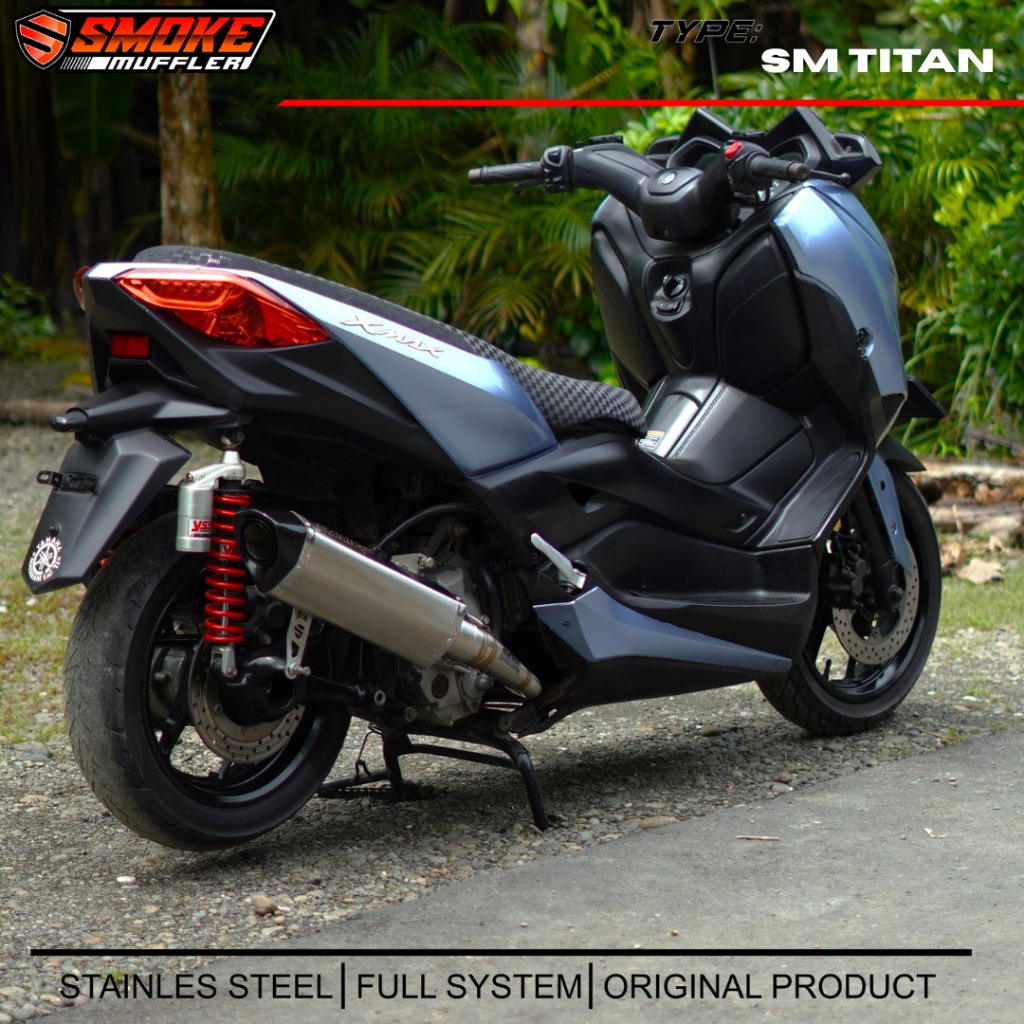
Regular maintenance also prevents premature wear. Dirt, mud, water, and road debris gradually accumulate around the shock absorber. Over time, these contaminants can damage seals, reduce damping performance, and eventually cause oil leaks.
Besides improving comfort, proper maintenance also increases safety. A healthy rear suspension helps maintain better tire contact with the road during braking, cornering, and acceleration. As a result, your scooter responds more predictably, giving you greater confidence in different riding conditions.
How to Maintain a Scooter Rear Shock Absorber
If you want your suspension to perform consistently, you should follow several maintenance practices. These simple steps can significantly extend the service life of your rear shock absorber.
Clean the Shock Absorber Regularly
The easiest way to maintain your rear shock absorber is to keep it clean.
After riding through rain, muddy roads, or dusty environments, wash the suspension using clean water. Next, wipe the shock absorber with a soft microfiber cloth to remove dirt and moisture. Avoid allowing mud or sand to remain around the spring because accumulated debris may scratch the shock body or damage the seals over time.
While cleaning, inspect the entire shock absorber carefully. Removing dirt regularly also makes it easier to identify small problems before they become serious.
Inspect for Oil Leaks
One of the most common signs of suspension problems is leaking shock oil.
During your inspection, check the shock body for wet or oily surfaces. A healthy shock absorber should remain dry under normal conditions. If you notice oil around the shaft or lower body, the internal seal may have started to fail.
Ignoring an oil leak reduces damping performance and eventually makes the scooter bounce excessively. Therefore, inspect the rear shock every few weeks, especially if you frequently ride on rough roads.
Check the Spring Condition
The spring supports the motorcycle’s weight while helping absorb road impacts.
Inspect the spring for rust, cracks, bent coils, or chipped paint. Surface rust may seem harmless at first, but it can gradually weaken the metal if left untreated.
If you find light rust, clean the affected area gently and apply an anti-rust spray. However, replace the spring immediately if you discover visible cracks or severe corrosion because a damaged spring can compromise your safety.
Keep the Mounting Bolts Tight
Loose mounting bolts often create unusual noises during riding.
Use the correct tools to inspect the upper and lower mounting bolts periodically. Tighten them according to the manufacturer’s recommended torque specification. Over-tightening may damage the mounting points, while loose bolts allow excessive movement that accelerates wear.
You should also inspect the rubber bushings around the mounting area. Worn bushings can produce knocking sounds and reduce riding comfort.
Avoid Overloading Your Scooter
Every scooter has a maximum load capacity.
Carrying excessive luggage or riding with loads beyond the recommended limit places unnecessary stress on the rear suspension. Although the shock absorber can handle occasional heavy loads, constant overloading shortens its lifespan considerably.
Before starting a long trip, distribute your luggage evenly and stay within the scooter’s weight limit. Doing so allows the suspension to work efficiently and reduces strain on internal components.
Adjust the Rear Shock Preload
Many modern scooters come with adjustable rear shock preload settings. This feature allows you to increase or decrease the spring tension based on the rider’s weight, passenger load, or luggage.
Before making adjustments, consult your owner’s manual to identify the recommended preload setting. If you frequently ride alone, a softer setting usually provides better comfort. However, if you often carry a passenger or heavy luggage, increasing the preload helps maintain stability and prevents excessive suspension compression.
Remember that preload adjustment does not make the suspension softer or harder. Instead, it changes how the suspension responds to different loads. Proper adjustment improves handling and keeps your scooter balanced throughout the ride.
Lubricate Related Components When Necessary
Although most modern rear shock absorbers have sealed internal components that require no lubrication, some external mounting points and pivot areas benefit from periodic inspection and maintenance.
Check the mounting bushings and pivot points for signs of dryness, corrosion, or unusual movement. If the manufacturer recommends lubrication, apply only the specified lubricant to the appropriate areas. Avoid spraying lubricant directly onto the shock shaft or oil seals because doing so may attract dust and accelerate wear.
Keeping the surrounding components clean and properly maintained helps the entire suspension system operate more smoothly.
Inspect the Rear Suspension After Riding on Rough Roads
If you regularly ride through potholes, gravel roads, or uneven terrain, inspect your rear suspension more frequently.
After completing a long trip, examine the shock absorber for scratches, dents, loose bolts, or damaged rubber bushings. Listen for unusual knocking or squeaking sounds during your next ride, as these noises often indicate developing suspension problems.
Early inspections help you identify minor issues before they require expensive repairs. Spending a few minutes checking your suspension after demanding rides can save both time and money in the long run.
Signs Your Rear Shock Absorber Needs Attention
Even with regular maintenance, every rear shock absorber eventually wears out. Recognizing the warning signs early allows you to address problems before they affect your safety.
Watch for these common symptoms:
- The scooter bounces excessively after passing over bumps.
- The rear suspension feels unusually stiff or overly soft.
- Oil leaks appear around the shock body.
- Knocking or squeaking noises occur while riding.
- The scooter becomes unstable during cornering.
- Tire wear becomes uneven.
- The rear end sags noticeably when carrying normal loads.
If you notice one or more of these symptoms, inspect the suspension immediately or ask a qualified technician to evaluate its condition.
Common Mistakes to Avoid
Many scooter owners unintentionally reduce the lifespan of their rear shock absorber by following poor maintenance habits.
One common mistake involves ignoring small oil leaks. Riders often assume that a minor leak is harmless, but even a small amount of lost shock oil gradually reduces damping performance.
Another mistake is washing the scooter with a high-pressure water spray directed at the shock seals. Excessive water pressure may force dirt and moisture into sensitive areas, leading to premature seal damage.
Some riders also overload their scooters repeatedly without adjusting the preload. This practice places excessive stress on the suspension and accelerates wear on both the spring and internal damper.
Finally, delaying inspections after riding on rough roads allows small problems to become larger and more expensive repairs. Consistent maintenance always costs less than replacing damaged suspension components.
When Should You Replace the Rear Shock Absorber?
Regular maintenance extends the service life of a rear shock absorber, but it cannot prevent normal wear forever.
You should consider replacing the rear shock absorber when it develops severe oil leaks, loses damping performance, produces persistent knocking noises, or no longer provides stable handling. Likewise, if the spring becomes cracked, heavily corroded, or permanently compressed, replacing the complete assembly is usually the safest solution.
Using a worn-out rear shock not only reduces comfort but also affects braking performance, tire grip, and overall riding safety. Investing in a quality replacement restores your scooter’s handling and improves confidence on every ride.
Conclusion
Understanding how to maintain a scooter rear shock absorber helps you improve both comfort and safety while reducing long-term maintenance costs. Simple habits such as cleaning the suspension regularly, checking for oil leaks, inspecting the spring, tightening mounting bolts, adjusting preload correctly, and avoiding excessive loads can significantly extend the lifespan of your rear suspension.
Routine inspections also allow you to detect small issues before they become major problems. Instead of waiting until the suspension fails, make rear shock maintenance part of your regular scooter care routine.
Whether you use your scooter for daily commuting or weekend touring, a well-maintained rear shock absorber delivers smoother handling, better stability, and a more enjoyable riding experience. By following these maintenance tips consistently, you can keep your scooter performing reliably for many years.
