
Harley-Davidson motorcycles have earned a legendary reputation for their powerful engines, iconic sound, and timeless design. However, one topic continues to spark debate among riders: Harley carburetor vs fuel injection. Some enthusiasts appreciate the simplicity and classic feel of carbureted Harleys, while others prefer the precision and reliability of modern electronic fuel injection (EFI).
Understanding the differences between these two fuel delivery systems helps you choose the right Harley for your riding style. Each system offers unique strengths, affects engine performance differently, and requires a different maintenance approach. Moreover, the fuel system also influences throttle response, fuel economy, cold starts, and even exhaust performance.
This guide explains the complete comparison between Harley carburetor and fuel injection. By the end of this article, you will understand how each system works, their advantages and disadvantages, and which option fits your riding needs best.
What Is a Harley Carburetor?
A carburetor is a mechanical device that mixes air and fuel before sending the mixture into the engine’s combustion chamber. Harley-Davidson motorcycles relied on carburetors for decades before introducing electronic fuel injection in most models.
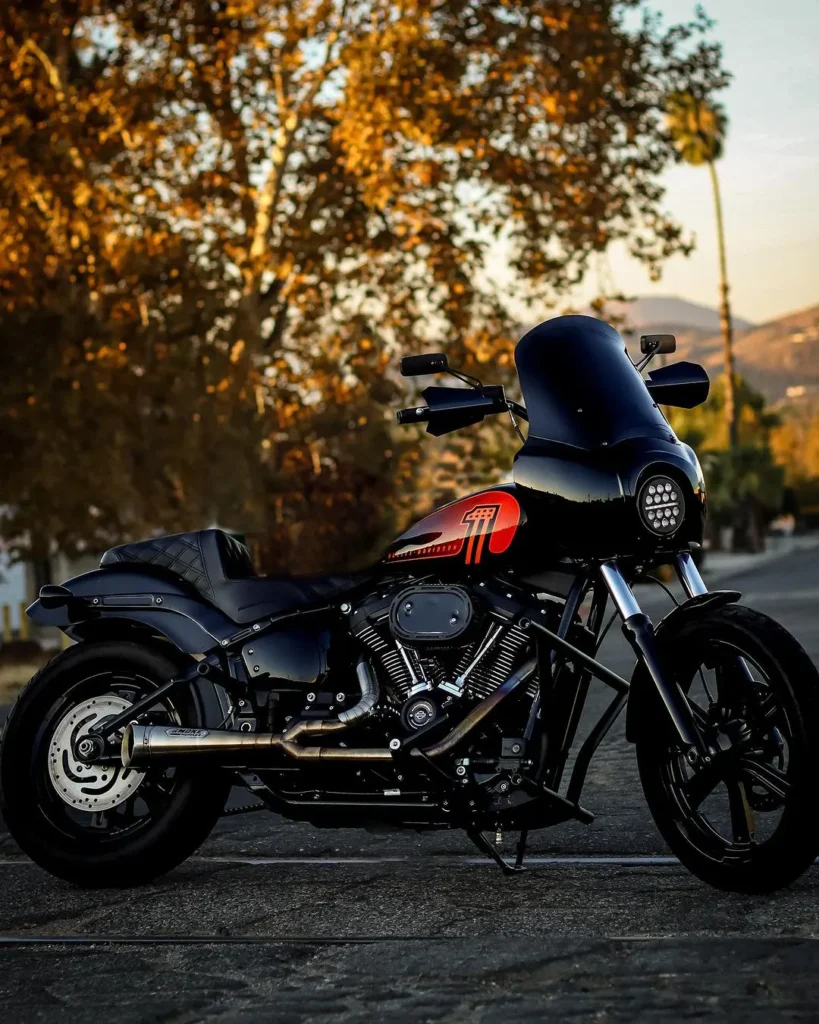
The carburetor works by creating a vacuum that draws fuel through small jets. As air flows into the intake, it mixes with gasoline to produce the correct air-fuel ratio. Although the design appears simple, every jet, needle, and adjustment screw plays an important role in engine performance.
Many Harley enthusiasts still prefer carbureted motorcycles because they provide a classic riding experience. Riders can manually tune the carburetor, replace jets, and modify the setup without using electronic diagnostic tools. As a result, experienced mechanics often enjoy the flexibility that carburetors offer.
However, carburetors require regular adjustment. Changes in weather, altitude, and temperature can affect the fuel mixture. Consequently, riders may need to retune the carburetor to maintain optimal performance.
Despite these limitations, carbureted Harleys remain popular among collectors and riders who appreciate traditional motorcycle engineering.
What Is Harley Fuel Injection?
Electronic Fuel Injection, commonly called EFI, replaces the carburetor with a computer-controlled fuel delivery system. Harley-Davidson gradually introduced EFI in the mid-2000s, and today almost every new Harley uses this technology.
Instead of relying on vacuum pressure, EFI uses sensors and an electronic control unit (ECU) to determine the exact amount of fuel the engine needs. The system continuously monitors engine speed, throttle position, air temperature, oxygen levels, and several other factors.
Because the ECU calculates the fuel mixture thousands of times every minute, EFI delivers exceptional accuracy. Therefore, the engine starts faster, runs smoother, and produces more consistent power.
Another significant advantage involves changing riding conditions. Whether you ride through city traffic, mountain roads, or highways, EFI automatically adjusts the fuel mixture without requiring manual tuning.
For many riders, this convenience makes fuel injection the preferred choice for everyday riding.
Harley Carburetor vs Fuel Injection
When comparing Harley carburetor vs fuel injection, several important factors deserve attention. Although both systems deliver fuel to the engine, they achieve this goal in very different ways.
A carburetor depends entirely on mechanical components. Riders can adjust jets, idle screws, and air-fuel mixtures manually. This setup appeals to owners who enjoy working on their motorcycles and customizing engine behavior.
Fuel injection, on the other hand, relies on advanced electronics. Sensors constantly collect information and send data to the ECU. The ECU then calculates the perfect fuel mixture almost instantly.
Because of this technology, EFI provides smoother acceleration, better fuel efficiency, easier cold starts, and lower exhaust emissions. Meanwhile, carburetors create a more traditional riding experience with direct mechanical feedback.
Neither system is universally better. Instead, the ideal choice depends on your riding preferences, maintenance skills, and long-term ownership goals.
Performance Comparison
Performance is often the first factor riders consider when comparing Harley carburetor vs fuel injection. While both systems can produce impressive power, they deliver performance in different ways.
A carbureted Harley offers a raw and mechanical throttle feel. Every twist of the throttle directly influences the air-fuel mixture, creating a riding experience that many long-time Harley owners describe as more engaging. In addition, riders can fine-tune the carburetor to match engine modifications, making it a favorite among custom motorcycle builders.
Fuel injection, however, delivers smoother and more predictable acceleration. Because the ECU adjusts the fuel supply in real time, the engine responds consistently under almost every riding condition. Whether you ride through heavy traffic or cruise on the highway, EFI maintains stable performance without hesitation.
Another advantage of EFI appears during rapid acceleration. The system instantly provides the correct amount of fuel, reducing throttle lag and improving engine responsiveness. As a result, riders enjoy a more refined experience, especially on long-distance trips.
Overall, carburetors provide character and customization, while EFI focuses on consistency and precision.
Fuel Efficiency
Fuel economy has become increasingly important for motorcycle owners. Fortunately, modern fuel injection systems perform exceptionally well in this area.
Since EFI constantly adjusts the air-fuel ratio, it prevents unnecessary fuel consumption. The engine burns fuel more efficiently, allowing riders to travel farther on a single tank. Moreover, better combustion helps reduce carbon deposits inside the engine.
A carburetor cannot make these automatic adjustments. Instead, it delivers fuel based on its mechanical settings. If the mixture becomes too rich, fuel consumption increases noticeably. Likewise, a lean mixture may reduce engine performance and increase operating temperatures.
Although an experienced mechanic can tune a carburetor effectively, it still cannot match the automatic precision of electronic fuel injection.
Therefore, riders who prioritize fuel savings generally choose EFI-equipped Harley-Davidson motorcycles.
Maintenance Requirements
Maintenance is another major difference between these two fuel systems.
Carburetors require periodic cleaning because dirt, old fuel, and varnish can clog the jets. If a motorcycle sits unused for several months, the fuel may evaporate and leave deposits that restrict fuel flow. Consequently, the engine may idle roughly or become difficult to start.
Regular maintenance usually includes:
- Cleaning the carburetor
- Adjusting the idle speed
- Inspecting the float bowl
- Replacing worn gaskets
- Synchronizing fuel delivery
Fortunately, many riders enjoy performing these tasks themselves.
Fuel injection requires much less routine maintenance. Since the system is sealed, dirt rarely reaches the injectors under normal conditions. Sensors automatically compensate for temperature and altitude changes, eliminating manual adjustments.
However, diagnosing EFI problems often requires specialized scan tools and electronic equipment. While failures are relatively uncommon, repairs can become more expensive than carburetor service.
In short, carburetors demand more frequent attention, whereas EFI offers greater convenience over the long term.
Riding Experience
The riding experience differs significantly between these fuel systems.
Many Harley enthusiasts appreciate the personality of a carbureted engine. Cold starts often require using the choke, and the engine develops its own rhythm as it warms up. These characteristics create a nostalgic feeling that many riders genuinely enjoy.
On the other hand, fuel injection simplifies every ride. The engine starts immediately with the push of a button, even in cold weather. There is no need to adjust a choke or wait several minutes before riding away.
Additionally, EFI maintains smooth idle speed regardless of weather conditions. Riders who commute daily often appreciate this reliability because they can simply start the motorcycle and begin riding.
Therefore, riders seeking convenience usually prefer EFI, while traditionalists often remain loyal to carburetors.
Harley Exhaust Performance
The fuel delivery system also influences Harley exhaust performance. Since the engine controls combustion differently, exhaust behavior changes accordingly.
A properly tuned carburetor often produces the deep, classic Harley exhaust note that many enthusiasts admire. Riders frequently combine carbureted engines with aftermarket exhaust systems to achieve a richer sound and stronger low-end torque. However, changing the exhaust usually requires rejetting the carburetor to maintain the correct air-fuel mixture.
Fuel-injected Harleys respond differently. Installing a high-flow exhaust typically requires recalibrating the ECU or using a fuel tuner. Without proper tuning, the engine may run too lean, reducing performance and potentially increasing engine temperature.
For this reason, riders should never treat the exhaust system as a standalone upgrade. Matching the exhaust with the appropriate fuel settings allows the engine to perform efficiently while delivering the signature Harley sound. Whether you choose a carburetor or EFI, proper tuning remains essential after modifying the exhaust.
Which System Is Better?
There is no universal winner in the Harley carburetor vs fuel injection debate because every rider has different priorities.
Choose a carbureted Harley if you:
- Enjoy mechanical tuning.
- Appreciate classic motorcycle engineering.
- Like customizing engine performance.
- Prefer a traditional riding experience.
- Own an older Harley-Davidson model.
Choose a fuel-injected Harley if you:
- Ride every day.
- Want better fuel economy.
- Prefer reliable cold starts.
- Expect smoother throttle response.
- Want minimal maintenance.
Ultimately, the best choice depends on how you use your motorcycle rather than which technology is newer.
Conclusion
The comparison between Harley carburetor vs fuel injection highlights two excellent fuel systems designed for different types of riders. Carburetors offer simplicity, classic character, and endless tuning possibilities. Meanwhile, electronic fuel injection provides precision, improved fuel efficiency, easier maintenance, and dependable performance in almost every riding condition.
Before choosing between the two, consider your riding habits, maintenance preferences, and long-term goals. If you enjoy working on your motorcycle and value a traditional Harley experience, a carbureted model remains an excellent choice. However, if you prioritize convenience, reliability, and modern technology, EFI delivers clear advantages.
Regardless of your decision, regular maintenance, proper tuning, and a well-matched exhaust system will help your Harley-Davidson perform at its best for many years.
