
A leaking motorcycle exhaust is a common mechanical problem that many riders underestimate until it begins affecting their motorcycle’s performance. Even a small exhaust leak can reduce engine efficiency, increase fuel consumption, create excessive noise, and expose riders to harmful exhaust gases. While the issue may seem minor at first, ignoring it can lead to more expensive repairs and even compromise riding safety.
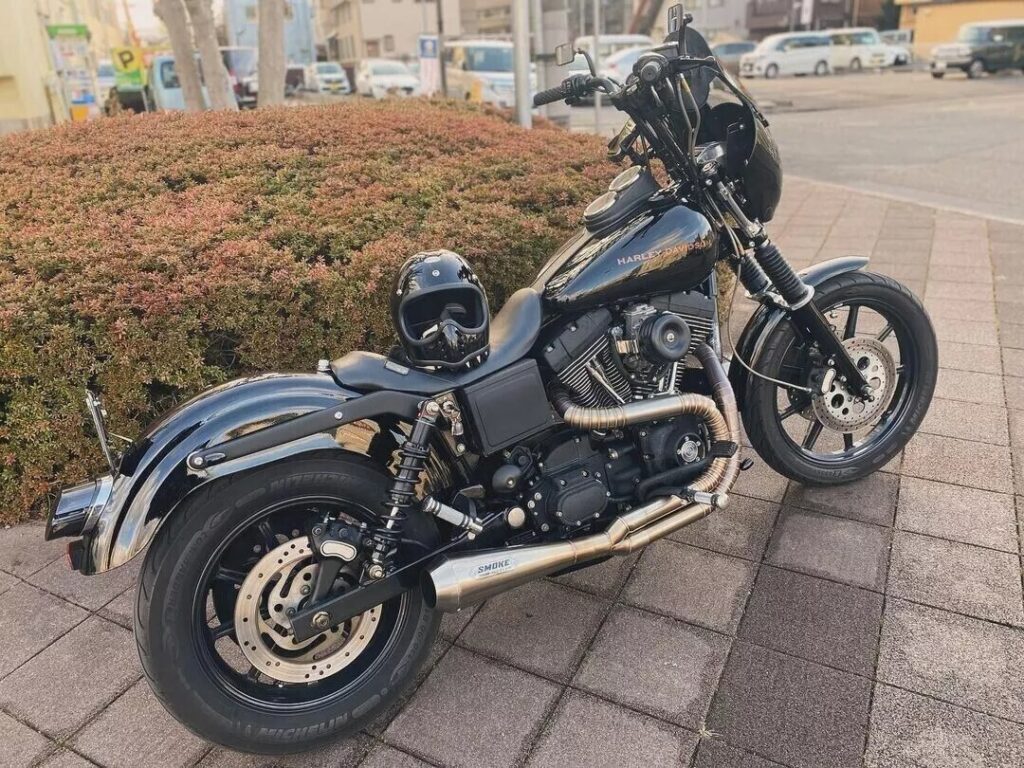
Dyna Motorcycle with Exhaust Smoke Muffler
Your motorcycle’s exhaust system is designed to channel combustion gases away from the engine while reducing noise and maintaining proper engine performance. When the system develops cracks, loose joints, or damaged seals, exhaust gases escape before reaching the muffler. As a result, the engine may not operate as efficiently as intended.
Fortunately, most exhaust leaks can be detected early and repaired before they become serious. Understanding the causes, symptoms, and repair methods of a leaking motorcycle exhaust allows riders to maintain optimal performance, improve fuel efficiency, and extend the lifespan of their motorcycle.
What Is a Leaking Motorcycle Exhaust?
A leaking motorcycle exhaust occurs when exhaust gases escape through unintended openings in the exhaust system instead of flowing entirely through the exhaust pipe and muffler. These leaks commonly develop around exhaust joints, damaged pipes, cracked welds, or worn-out exhaust gaskets.
The exhaust system performs several important functions. Besides reducing engine noise, it directs hot gases away from the rider, regulates exhaust pressure, and helps the engine operate efficiently. Any interruption in this system can negatively affect overall motorcycle performance.
Depending on the severity of the leak, riders may experience loud noises, decreased acceleration, poor fuel economy, or unusual vibrations. Some leaks are easy to identify, while others require a detailed inspection.
Common Causes of a Leaking Motorcycle Exhaust
Several factors contribute to a leaking motorcycle exhaust, and understanding them can help prevent future problems.
1. Rust and Corrosion
One of the leading causes of exhaust leaks is corrosion. Motorcycle exhaust systems are constantly exposed to rain, mud, humidity, road salt, and high temperatures. Over time, moisture can cause rust to weaken the metal, eventually creating small holes that allow exhaust gases to escape.
Older motorcycles are especially vulnerable because years of heat cycles gradually reduce the durability of the exhaust pipe.
2. Damaged Exhaust Gasket
The exhaust gasket creates a tight seal between the engine cylinder head and the exhaust header. As the motorcycle ages, this gasket becomes brittle due to continuous exposure to extreme temperatures.
A worn gasket allows exhaust gases to escape near the engine, often producing a ticking or hissing sound during acceleration.
3. Loose Exhaust Bolts and Clamps
Motorcycles naturally produce vibrations while riding. Over time, these vibrations can loosen mounting bolts, nuts, or clamps that secure the exhaust system.
Even a small gap between connected exhaust components can create a noticeable leak and reduce overall engine efficiency.
Routine inspections help identify loose hardware before it develops into a larger issue.
4. Cracked Exhaust Pipe
Physical impacts are another common cause of exhaust leaks. Riding over large speed bumps, striking road debris, or experiencing minor accidents may crack the exhaust pipe or damage welded joints.
Although the crack may initially appear small, repeated heating and cooling cycles usually cause it to expand over time.
5. Poor Installation
Improperly installed aftermarket exhaust systems often develop leaks because components are not aligned correctly or bolts are insufficiently tightened.
Using low-quality replacement parts can also increase the likelihood of premature exhaust failure.
Professional installation significantly reduces the risk of future exhaust leaks.
Warning Signs of a Leaking Motorcycle Exhaust
Recognizing the symptoms early allows riders to fix the problem before expensive damage occurs.
Here are the most common warning signs:
Unusually Loud Exhaust Noise
One of the easiest ways to identify a leaking motorcycle exhaust is by listening. A damaged exhaust often produces a louder, deeper, or raspier sound than usual.
Reduced Engine Performance
Exhaust leaks interfere with proper exhaust flow and engine back pressure. As a result, riders may notice slower acceleration, weaker throttle response, or reduced engine power.
Lower Fuel Efficiency
Modern motorcycles rely on accurate exhaust readings to optimize fuel delivery. A leaking exhaust can disrupt this process, causing the engine to consume more fuel than necessary.
Burning Smell
Hot exhaust gases escaping near engine components may produce a burning odor, especially if nearby plastic covers, oil residue, or wiring insulation become overheated.
Black Carbon Deposits
Dark soot around exhaust joints or welds is another strong indication that gases are escaping through a leak.
Inspecting these areas regularly helps identify problems before they worsen.
Effects of a Leaking Motorcycle Exhaust on Performance
Ignoring a leaking motorcycle exhaust can have several long-term consequences.
Reduced Engine Efficiency
An exhaust system is carefully engineered to maintain proper exhaust pressure. When gases escape prematurely, engine efficiency decreases, resulting in reduced horsepower and slower acceleration.
Higher Fuel Consumption
A leaking exhaust often forces the engine to work harder to achieve the same performance. This increases fuel consumption and raises operating costs over time.
Increased Noise Pollution
Besides becoming annoying for the rider, excessive exhaust noise may violate local vehicle regulations in certain areas.
Potential Health Risks
Exhaust gases contain carbon monoxide and other harmful substances. Although most gases exit behind the motorcycle, severe leaks near the engine may expose riders to dangerous fumes, particularly during traffic congestion or prolonged idling.
Is It Safe to Ride with a Leaking Motorcycle Exhaust?
Many riders continue using their motorcycles despite noticing an exhaust leak. While a minor leak may not immediately prevent the motorcycle from running, it should never be ignored.
A leaking motorcycle exhaust can gradually reduce engine performance and fuel efficiency. More importantly, exhaust gases contain carbon monoxide and other harmful emissions that may become hazardous if they escape near the rider. In severe cases, excessive heat from leaking gases can damage nearby components such as wiring, plastic covers, or rubber hoses.
Additionally, motorcycles with loud exhaust leaks may fail vehicle inspections or violate local noise regulations. Addressing the problem early is always safer and more cost-effective than waiting until the damage worsens.
How to Diagnose a Leaking Motorcycle Exhaust at Home
Before taking your motorcycle to a repair shop, you can perform a simple inspection to identify possible exhaust leaks.
1. Listen for Unusual Sounds
Start the engine and let it idle. Pay close attention to any hissing, ticking, or popping sounds coming from the exhaust manifold, pipe joints, or muffler. These noises often indicate escaping exhaust gases.
2. Look for Black Soot
Inspect the exhaust system carefully. Black carbon deposits around pipe joints, welds, or the exhaust gasket usually indicate the exact location of a leak.
3. Feel for Escaping Air
While the engine is running and after taking appropriate safety precautions, carefully move your hand near the suspected leak without touching the hot exhaust. You may feel hot air escaping from damaged areas.
4. Inspect Mounting Hardware
Loose bolts, clamps, or brackets are common causes of exhaust leaks. Tightening these components may solve minor problems before they require expensive repairs.
If you cannot locate the leak or suspect internal damage, a professional inspection is recommended.
How to Fix a Leaking Motorcycle Exhaust
The best repair method depends on the severity and location of the damage.
Tighten Loose Connections
If the leak is caused by loose bolts or clamps, tightening them to the manufacturer’s recommended torque specification may completely eliminate the problem.
Replace the Exhaust Gasket
A worn or damaged exhaust gasket should always be replaced rather than reused. Installing a new gasket restores the proper seal between the engine and the exhaust header.
Repair Minor Cracks
Small cracks or pinholes may be repaired using high-temperature exhaust sealant or professional welding. However, these repairs are generally considered temporary if corrosion is extensive.
Replace Damaged Components
If the exhaust pipe is heavily rusted, cracked, or structurally weakened, replacing the affected section is usually the safest and most reliable solution.
Visit a Professional Mechanic
Some exhaust leaks involve hidden damage or alignment issues that require specialized tools. A qualified mechanic can inspect the entire exhaust system and ensure the repair is completed correctly.
How Much Does It Cost to Repair a Leaking Motorcycle Exhaust?
Repair costs vary depending on the cause of the leak and the motorcycle model.
Generally:
- Tightening loose bolts is usually inexpensive and may only require routine maintenance.
- Replacing an exhaust gasket is one of the most affordable repairs.
- Welding small cracks costs more but can still be cheaper than replacing the entire exhaust system.
- Replacing a damaged exhaust pipe or muffler is typically the most expensive option, especially when using genuine manufacturer parts.
Routine maintenance and early detection are the best ways to avoid costly repairs in the future.
How to Prevent a Leaking Motorcycle Exhaust
Preventive maintenance significantly reduces the likelihood of exhaust problems.
Follow these recommendations:
- Inspect the exhaust system during every routine service.
- Wash your motorcycle regularly to remove dirt, mud, and moisture.
- Tighten exhaust bolts and clamps periodically.
- Replace worn exhaust gaskets before they fail.
- Avoid riding through deep water whenever possible.
- Repair minor cracks before they become larger.
- Use high-quality replacement parts that meet the manufacturer’s specifications.
Consistent maintenance not only prevents exhaust leaks but also improves engine efficiency and extends the lifespan of the entire exhaust system.
Frequently Asked Questions (FAQ)
What causes a leaking motorcycle exhaust?
The most common causes include rust, corrosion, damaged exhaust gaskets, loose mounting bolts, cracked pipes, and poor installation.
Can a leaking motorcycle exhaust reduce fuel efficiency?
Yes. Exhaust leaks can disrupt proper engine operation, causing increased fuel consumption and reduced overall efficiency.
Is it dangerous to ride with an exhaust leak?
It can be. Besides reducing engine performance, exhaust leaks may expose riders to harmful gases and increase the risk of heat damage to nearby components.
Can I repair an exhaust leak myself?
Minor issues such as tightening loose bolts or replacing an exhaust gasket can often be handled by experienced motorcycle owners. However, cracked pipes or severe corrosion should be repaired by a professional mechanic.
How often should I inspect my motorcycle exhaust?
It is recommended to inspect the exhaust system during every scheduled maintenance service or whenever you notice unusual noise, reduced engine performance, or visible damage.
Conclusion
A leaking motorcycle exhaust is more than just a noisy inconvenience. Left unattended, it can reduce engine performance, increase fuel consumption, compromise rider safety, and lead to expensive repairs. Fortunately, most exhaust leaks begin with noticeable warning signs, making early detection possible through regular inspections and routine maintenance.
By understanding the common causes, recognizing the symptoms, and applying the appropriate repair methods, motorcycle owners can keep their exhaust systems in excellent condition for years to come. Whether the solution is as simple as tightening loose bolts or replacing damaged components, taking action early will help maintain your motorcycle’s reliability, efficiency, and overall riding comfort.
Regular maintenance is the key to preventing future exhaust leaks and ensuring every ride remains safe, quiet, and enjoyable.
