
The common Yamaha XMAX problems usually appear after years of daily riding or inconsistent maintenance. Although Yamaha designed the XMAX as a reliable premium maxi scooter, no motorcycle remains completely free from wear and tear. Engine components, the CVT transmission, cooling system, and exhaust gradually lose their efficiency as mileage increases.
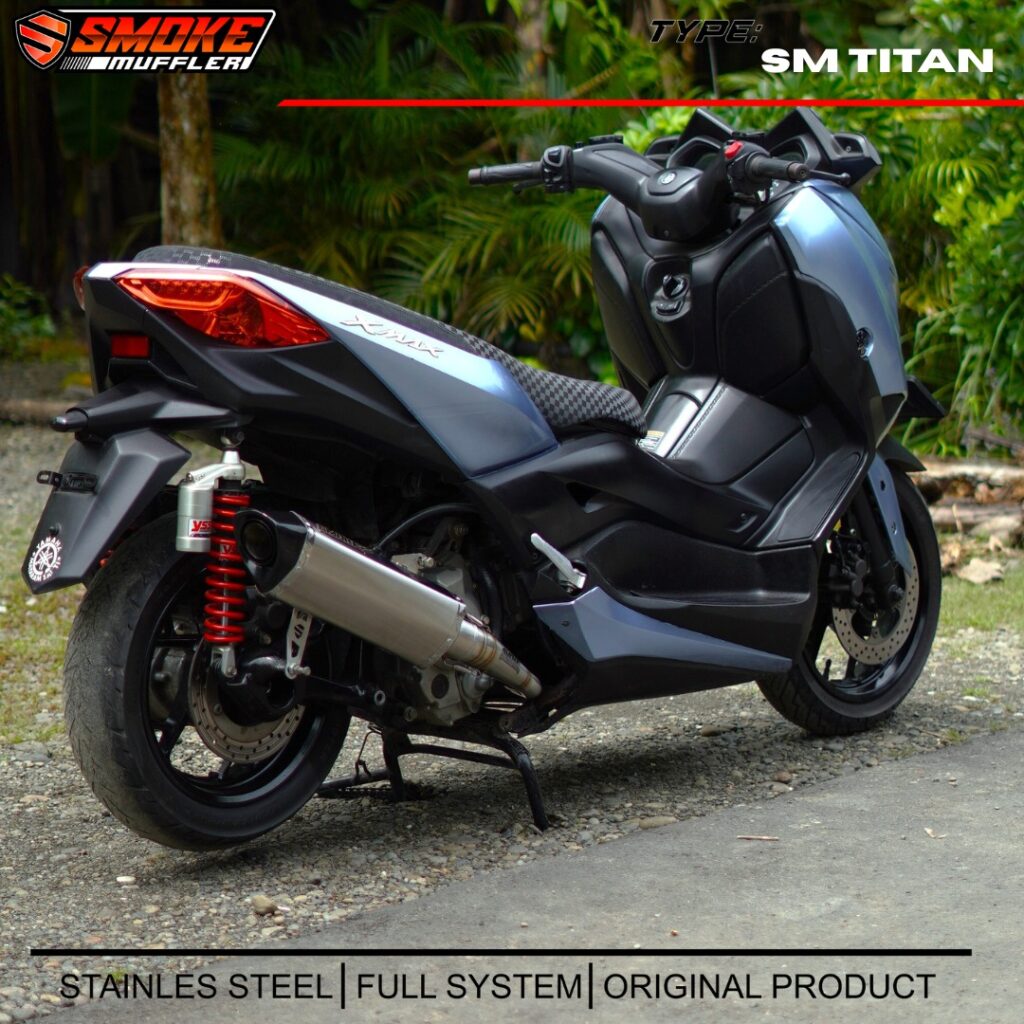
Powered by a 249 cc liquid-cooled Blue Core engine, the Yamaha XMAX delivers smooth acceleration, excellent fuel economy, and comfortable long-distance performance. Riders appreciate its premium features, including ABS, Traction Control System (TCS), Smart Key System, full LED lighting, and a spacious riding position. These advantages make the XMAX one of the most popular scooters in the 250 cc segment.
However, every motorcycle eventually develops mechanical issues. Ignoring minor symptoms often leads to expensive repairs. A rough idle, poor acceleration, excessive engine heat, unusual exhaust smoke, or loud exhaust noise may seem insignificant at first, but these signs often indicate developing mechanical problems.
This guide explains the common Yamaha XMAX problems, their symptoms, possible causes, and practical repair solutions. Whether you ride your XMAX every day or only on weekends, understanding these issues will help you extend your scooter’s lifespan and avoid costly breakdowns.
Why Do Common Yamaha XMAX Problems Occur?
Every motorcycle experiences normal component wear over time. Heat, vibration, dust, moisture, and continuous engine operation gradually reduce the performance of various parts.
Several factors commonly contribute to Yamaha XMAX problems:
- Delayed maintenance
- Low-quality engine oil
- Dirty air filters
- Worn CVT components
- Poor fuel quality
- High mileage
- Aggressive riding habits
- Long service intervals
Regular inspections significantly reduce the risk of unexpected failures. Most mechanical issues begin as small problems before becoming major repairs.
Common Yamaha XMAX Engine Problems
The engine serves as the heart of the Yamaha XMAX. When it operates properly, the scooter delivers smooth power, quiet operation, and excellent fuel efficiency. Unfortunately, engine-related issues remain the most frequently reported complaints among owners.
Below are the engine problems you should never ignore.
1. Rough Engine Idle
A healthy Yamaha XMAX engine should idle quietly with minimal vibration. If the engine suddenly becomes noisy or vibrates excessively while idling, one or more components may require inspection.
Symptoms
- Metallic ticking noises
- Increased engine vibration
- Unstable idle speed
- Engine feels rough while stopped
Possible Causes
Several issues can create a rough idle:
- Old or contaminated engine oil
- Incorrect valve clearance
- Dirty air filter
- Carbon deposits inside the combustion chamber
- Worn spark plug
- Dirty fuel injector
Engine oil loses its lubricating ability over time. As lubrication decreases, internal engine parts create more friction and noise.
Valve clearance also changes after thousands of kilometers. Excessive clearance produces a noticeable ticking sound from the cylinder head.
Repair Solutions
You can usually restore smooth engine operation by following these steps:
- Replace the engine oil according to Yamaha’s service schedule.
- Clean or replace the air filter.
- Install a new spark plug if necessary.
- Clean the fuel injector.
- Adjust the valve clearance during periodic maintenance.
Routine servicing prevents these small issues from developing into expensive engine damage.
2. Poor Acceleration
Many Yamaha XMAX owners notice weaker acceleration after several years of use. The scooter may feel sluggish when pulling away from traffic lights or overtaking slower vehicles.
Although riders often blame the engine, the CVT transmission usually causes the problem.
Symptoms
- Slower throttle response
- Reduced acceleration
- Delayed power delivery
- Higher engine RPM with little increase in speed
Common Causes
The following components frequently reduce acceleration:
- Worn CVT rollers
- Stretched drive belt (V-belt)
- Worn clutch shoes
- Dirty CVT housing
- Clogged air filter
- Weak spark plug
As the rollers wear unevenly, they prevent the variator from operating efficiently. The engine still produces power, but the transmission cannot transfer it smoothly to the rear wheel.
Repair Solutions
Inspect the entire CVT system during regular maintenance.
Recommended repairs include:
- Replace worn rollers.
- Install a new V-belt if it reaches the service limit.
- Clean the CVT housing.
- Replace worn clutch components.
- Check throttle body performance.
- Clean the air intake system.
Most acceleration problems disappear after a complete CVT service.
3. Engine Overheating
The Yamaha XMAX uses a liquid-cooling system that keeps engine temperatures stable under most riding conditions. Nevertheless, overheating can still occur if the cooling system fails to perform properly.
Ignoring overheating may cause severe engine damage, including warped cylinder heads and damaged gaskets.
Symptoms
- Temperature warning light appears
- Coolant boils inside the reservoir
- Reduced engine performance
- Burning smell from the engine area
- Cooling fan runs continuously
Possible Causes
Common causes include:
- Low coolant level
- Leaking radiator hoses
- Blocked radiator fins
- Faulty radiator fan
- Damaged thermostat
- Water pump failure
Even a small coolant leak can significantly reduce cooling performance during long rides.
Repair Solutions
Perform these inspections immediately:
- Check the coolant reservoir.
- Inspect all hoses for leaks.
- Clean the radiator.
- Test the cooling fan.
- Replace worn hoses.
- Flush old coolant every two years.
A properly maintained cooling system greatly reduces the risk of overheating.
4. Excessive Engine Oil Consumption
Engine oil naturally decreases over time, but excessive oil loss usually indicates an internal engine problem. If you frequently need to top up the oil between scheduled services, inspect the engine immediately.
Symptoms
- Engine oil level drops quickly
- Blue smoke from the exhaust
- Burning oil smell
- Reduced engine performance
- Oil warning light appears frequently
Possible Causes
Several engine components may contribute to excessive oil consumption.
- Worn piston rings
- Damaged valve stem seals
- Poor-quality engine oil
- Cylinder wall wear
- Oil leaks around engine seals
When piston rings wear out, engine oil enters the combustion chamber and burns together with the fuel mixture.
Repair Solutions
You can reduce oil consumption by following these recommendations:
- Replace worn piston rings.
- Inspect valve stem seals.
- Repair oil leaks immediately.
- Use the recommended oil viscosity.
- Follow Yamaha’s oil replacement schedule.
Ignoring excessive oil consumption can eventually damage the piston, cylinder, and catalytic converter.
5. Hard Starting Engine
The Yamaha XMAX normally starts within seconds. If the engine cranks slowly or refuses to start, several electrical or fuel system components may require attention.
Symptoms
- Slow starter motor
- Engine cranks but does not start
- Multiple attempts required
- Weak battery performance
- Engine starts only after opening the throttle
Common Causes
The following components commonly cause starting issues:
- Weak battery
- Dirty spark plug
- Failing fuel pump
- Dirty fuel injector
- Faulty ignition coil
- Loose electrical connections
A battery with insufficient voltage often creates starting problems before it completely fails.
Repair Solutions
To restore reliable starting performance:
- Test the battery voltage.
- Replace the spark plug.
- Clean the fuel injector.
- Inspect the fuel pump.
- Tighten electrical connectors.
- Check the ignition system.
Preventive maintenance usually eliminates most starting problems before they become severe.
6. White Smoke from the Exhaust
White or bluish smoke should never be ignored, especially after the engine reaches operating temperature.
Symptoms
- White smoke during acceleration
- Blue smoke after warm-up
- Burning oil smell
- Increasing engine oil consumption
Possible Causes
The most common causes include:
- Worn piston rings
- Damaged valve seals
- Excessive engine wear
- Internal oil leakage
Small amounts of condensation may create temporary white vapor during cold starts. However, continuous smoke usually indicates an internal engine problem.
Repair Solutions
A professional inspection should include:
- Compression testing
- Leak-down testing
- Valve seal inspection
- Piston ring replacement if necessary
Repairing internal engine wear early prevents more extensive engine damage.
7. Black Smoke from the Exhaust
Black exhaust smoke usually indicates that the engine burns too much fuel.
Symptoms
- Thick black smoke
- Poor fuel economy
- Strong fuel smell
- Reduced acceleration
Possible Causes
Common causes include:
- Dirty air filter
- Faulty fuel injector
- Rich air-fuel mixture
- Malfunctioning oxygen sensor
- ECU sensor problems
An excessively rich fuel mixture reduces fuel efficiency while increasing carbon deposits.
Repair Solutions
Recommended repairs include:
- Replace the air filter.
- Clean the injector.
- Scan ECU fault codes.
- Inspect oxygen sensors.
- Reset the fuel injection system if necessary.
8. Loud Exhaust Noise
A louder-than-normal exhaust often signals mechanical wear rather than improved performance.
Symptoms
- Deep exhaust rumble
- Metallic rattling
- Exhaust vibration
- Noise increases during acceleration
Common Causes
Several components may create excessive exhaust noise.
- Loose mounting bolts
- Damaged exhaust gasket
- Exhaust pipe cracks
- Internal silencer damage
- Broken heat shield
Small exhaust leaks gradually become larger if left unrepaired.
Repair Solutions
Inspect the entire exhaust system.
Recommended actions include:
- Tighten mounting bolts.
- Replace damaged gaskets.
- Weld cracked pipes.
- Replace damaged silencers.
- Secure loose heat shields.
Repairing minor leaks early prevents expensive exhaust replacement.
9. Rust on the Exhaust System
Rust remains one of the most common cosmetic and structural issues affecting Yamaha XMAX exhaust systems.
Moisture, road salt, and humid environments accelerate corrosion.
Symptoms
- Surface rust
- Peeling paint
- Brown discoloration
- Exhaust corrosion around welds
Prevention Tips
You can significantly slow rust formation by following these practices:
- Wash the motorcycle regularly.
- Dry the exhaust after riding in the rain.
- Apply heat-resistant anti-rust coating.
- Store the scooter in a dry location.
- Inspect weld joints regularly.
Proper cleaning extends the exhaust system’s service life.
10. Exhaust Backfire
Occasional popping sounds may occur during deceleration, but repeated backfires indicate combustion problems.
Symptoms
- Loud popping sounds
- Explosions during deceleration
- Rough idle
- Reduced throttle response
Possible Causes
Backfires often result from:
- Lean fuel mixture
- Exhaust leaks
- Dirty injector
- Ignition timing problems
- Faulty spark plug
Repair Solutions
Technicians usually recommend:
- Checking the fuel injection system.
- Replacing worn spark plugs.
- Repairing exhaust leaks.
- Inspecting ECU sensor readings.
- Cleaning the throttle body.
Proper air-fuel balance eliminates most backfire issues.
11. Carbon Build-Up Inside the Exhaust
Carbon deposits gradually accumulate inside the exhaust system after thousands of kilometers.
Symptoms
- Reduced engine power
- Poor fuel economy
- Restricted exhaust flow
- Sluggish acceleration
Causes
Carbon deposits form because of:
- Short-distance riding
- Low-quality fuel
- Rich fuel mixture
- Incomplete combustion
Repair Solutions
You can minimize carbon buildup by:
- Using high-quality fuel.
- Riding long enough to reach full operating temperature.
- Cleaning the throttle body.
- Performing regular injector cleaning.
- Following scheduled maintenance.
Keeping the combustion system clean improves both engine performance and fuel efficiency.
How to Prevent Common Yamaha XMAX Problems
Preventing issues on your Yamaha XMAX always costs less than repairing major damage. Most Common Yamaha XMAX Problems develop because owners skip routine maintenance or ignore early warning signs.
You can significantly extend your scooter’s lifespan by applying proper maintenance habits.
1. Follow Regular Service Intervals
Always follow Yamaha’s recommended service schedule. Regular servicing helps technicians detect early symptoms before they turn into serious failures.
- Change engine oil on time
- Replace air filter regularly
- Inspect CVT components
- Check coolant level frequently
2. Use High-Quality Fuel and Oil
Low-quality fuel creates carbon buildup inside the engine and exhaust system. Poor engine oil also reduces lubrication and increases wear.
Always use:
- Recommended engine oil grade
- High-octane fuel when possible
3. Maintain the CVT System
The CVT system plays a major role in acceleration performance. Dirty or worn CVT parts often cause poor throttle response.
- Replace CVT belt when needed
- Clean CVT housing
- Check rollers and clutch shoes
4. Inspect the Cooling System
Overheating is one of the most damaging engine problems.
- Check coolant level regularly
- Clean radiator fins
- Inspect hoses for leaks
- Ensure radiator fan works properly
Conclusion
The Common Yamaha XMAX Problems: Causes, Symptoms, and Complete Repair Solutions mostly appear due to natural wear, delayed maintenance, or riding habits. While the Yamaha XMAX remains a reliable and powerful scooter, it still requires consistent care to maintain peak performance.
Most engine and exhaust problems start with small symptoms such as noise changes, reduced acceleration, or increased fuel consumption. When riders respond early, they can prevent expensive repairs and extend the life of the scooter significantly.
By following a proper maintenance schedule, using quality consumables, and inspecting key components regularly, you can keep your Yamaha XMAX running smoothly, efficiently, and reliably for many years.
