
Buying your first big bike is an exciting milestone. Whether you dream of weekend road trips, long-distance touring, or simply upgrading from a smaller motorcycle, choosing the right model can make all the difference in your riding experience. A big bike offers more power, advanced technology, better comfort, and a stronger road presence, but it also demands greater responsibility and riding skills.
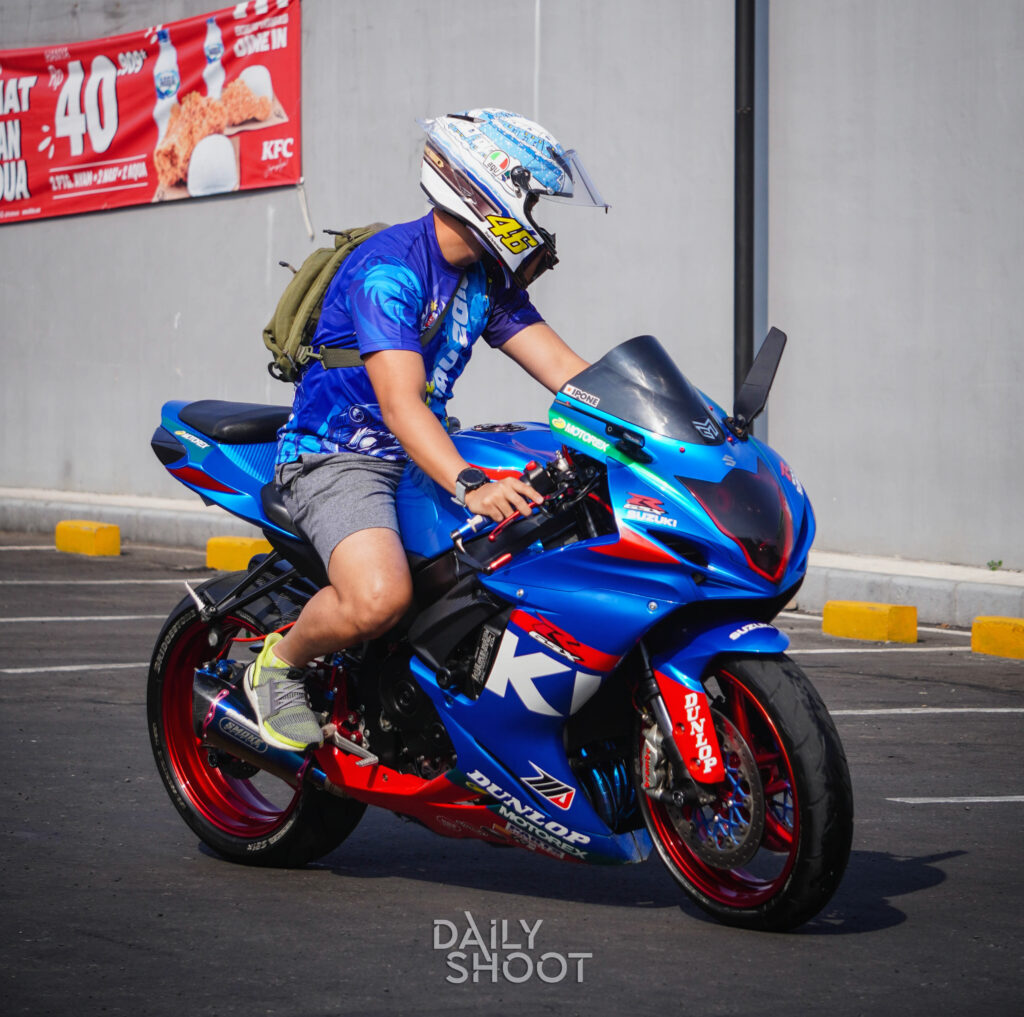
GSX-600 big bike
Many first-time buyers make the mistake of choosing a motorcycle based solely on appearance or engine size. While a powerful engine and aggressive styling may look appealing, they do not always translate into a better ownership experience. In fact, selecting a motorcycle that exceeds your current skill level can reduce confidence, increase maintenance costs, and make everyday riding more challenging.
Understanding how to choose the right big bike for beginners is essential before making such an important investment. The ideal motorcycle should match your riding ability, physical build, intended use, and financial situation. By taking the time to evaluate these factors, you can enjoy every ride while developing your skills safely and confidently.
This guide explains the most important considerations every beginner should understand before purchasing a big bike.
Define Your Riding Purpose
Before comparing motorcycle models, determine how you plan to use your big bike. Your riding goals will influence nearly every aspect of your buying decision.
If you mainly commute through city traffic, prioritize a motorcycle with comfortable ergonomics, responsive handling, and manageable weight. Urban riding requires frequent stops, slow-speed maneuvering, and easy control in congested areas.
If you plan to travel across states or enjoy weekend adventures, consider a touring-oriented motorcycle with a comfortable seat, larger fuel tank, wind protection, and luggage options. Long-distance comfort quickly becomes more important than outright performance.
Some riders purchase a big bike for occasional recreational rides, while others join motorcycle clubs or participate in organized group tours. Knowing your primary purpose helps narrow your options and prevents expensive buying mistakes.
Choose an Engine Size That Matches Your Skill Level
One of the biggest misconceptions among new riders is believing that larger engines automatically provide a better riding experience.
In reality, bigger engines produce significantly more torque and horsepower, requiring better throttle control and riding experience. An overly powerful motorcycle can feel intimidating and difficult to manage, especially during low-speed maneuvers or emergency situations.
For most beginners, motorcycles between 300cc and 500cc offer an excellent balance of performance and control. These bikes provide enough power for highway riding without overwhelming inexperienced riders.
As your confidence and riding skills improve, upgrading to larger displacement motorcycles becomes much easier and safer. Learning on a manageable motorcycle allows you to develop proper riding techniques before moving into higher-performance categories.
Remember that riding confidence comes from experience, not engine size.
Consider the Motorcycle’s Weight
Engine displacement is only part of the equation. The motorcycle’s overall weight significantly affects how easy it feels to ride.
Many big bikes weigh between 400 and 650 pounds (180–295 kg), while some touring motorcycles exceed 800 pounds (360 kg). Handling this weight becomes especially noticeable when parking, making U-turns, or riding in heavy traffic.
As a beginner, you should choose a motorcycle that feels balanced and manageable. Sit on the motorcycle with both feet firmly on the ground. You should feel comfortable supporting its weight without excessive effort.
A lighter motorcycle also makes low-speed riding less stressful, allowing you to focus on developing your riding skills instead of constantly fighting the motorcycle’s mass.
Never underestimate how much confidence comes from riding a bike that feels easy to control.
Make Sure the Seat Height Fits Your Body
Seat height is another factor many first-time buyers overlook.
Even the most technologically advanced motorcycle can become frustrating if your feet barely touch the ground. A proper riding position improves balance, increases confidence, and reduces the likelihood of tipping the bike over during stops.
Ideally, both feet should comfortably reach the pavement when you are seated naturally. Riders with shorter inseams should not hesitate to explore motorcycles designed with lower seat heights.
Some manufacturers also offer optional low seats or suspension adjustments that improve accessibility without sacrificing overall comfort.
Finding the right ergonomic fit is far more important than buying the tallest or most aggressive-looking motorcycle.
Prioritize Riding Comfort
Comfort plays a major role in your overall riding experience, especially if you plan to spend several hours on the road.
Different motorcycle categories offer completely different riding positions.
Sport bikes place the rider in a forward-leaning posture that improves aerodynamics but can create wrist, shoulder, and lower back fatigue during longer rides.
Naked bikes provide a more upright seating position that many beginners find easier to control.
Cruisers typically feature lower seats with relaxed ergonomics, while adventure and touring motorcycles prioritize long-distance comfort with spacious seating and natural handlebar positions.
Instead of choosing a motorcycle based solely on appearance, spend time sitting on different models. A comfortable riding position allows you to maintain better focus, improve control, and enjoy longer rides without unnecessary fatigue.
Look for Modern Safety Features
Modern motorcycles include advanced electronic systems that significantly improve rider safety.
For beginners, Anti-lock Braking Systems (ABS) should be considered essential rather than optional. ABS helps prevent wheel lock-up during hard braking, allowing the motorcycle to remain stable while reducing stopping risks.
Traction control is another valuable feature. It monitors rear-wheel grip and reduces power if excessive wheel spin occurs, particularly on wet or slippery roads.
Many motorcycles also include selectable riding modes that adjust throttle response and engine output. Beginner-friendly riding modes deliver smoother acceleration, making the motorcycle easier to control while you continue building experience.
While electronic rider aids cannot replace proper riding skills, they provide an additional layer of confidence during unexpected situations.
Calculate the Total Cost of Ownership
The purchase price is only one part of owning a big bike. Before making your decision, calculate the total cost of ownership to avoid unexpected financial surprises.
Routine maintenance includes oil changes, brake pads, chain maintenance, tires, coolant, and regular inspections. Larger motorcycles also require premium-quality lubricants and replacement parts that often cost more than those for smaller bikes.
Insurance is another expense that varies depending on the motorcycle’s value, engine size, and your riding history. Fuel consumption should also be considered, especially if you plan to use the motorcycle frequently.
Creating a realistic annual budget allows you to enjoy your motorcycle without unnecessary financial stress. Buying a motorcycle you can comfortably afford is always a smarter decision than stretching your budget for a model that is difficult to maintain.
Check Dealer and Service Availability
Even the most reliable motorcycle requires regular servicing. Before purchasing a specific brand, research the availability of authorized dealerships and certified service centers in your area.
Easy access to professional maintenance reduces downtime and ensures that qualified technicians handle your motorcycle. It also makes finding genuine replacement parts much easier.
A strong dealer network often improves resale value because future buyers know they can access maintenance and warranty support without difficulty.
Choosing a manufacturer with excellent after-sales service can save both time and money throughout your ownership experience.
Always Take a Test Ride
Reading reviews and watching videos can provide useful information, but nothing replaces a real test ride.
During a test ride, pay attention to throttle response, clutch engagement, braking performance, steering feel, suspension comfort, and overall balance. Ride at both low and moderate speeds if possible to understand how the motorcycle behaves in different situations.
A motorcycle that feels comfortable immediately is usually easier to adapt to than one that requires constant adjustments.
Never rush into a purchase simply because of a discount or promotional offer. Taking time to experience the motorcycle firsthand often prevents expensive regrets later.
Invest in Quality Riding Gear
Your motorcycle is only one part of safe riding. Proper protective equipment is equally important.
A DOT, ECE, or Snell-certified full-face helmet provides the highest level of head protection. Pair it with a quality riding jacket featuring impact armor, protective gloves, durable riding pants, and motorcycle-specific boots that offer ankle support.
High-visibility gear also improves your visibility to other road users, particularly during poor weather or nighttime riding.
Quality riding gear represents an investment in your personal safety. It can significantly reduce injuries should an accident occur.
Avoid Buying Based on Trends
Social media, online videos, and motorcycle influencers often showcase high-performance superbikes that attract new riders. While these motorcycles look impressive, they are not always suitable for beginners.
Instead of following trends, focus on motorcycles that match your current abilities and intended riding style.
A motorcycle that feels comfortable today will continue building your confidence tomorrow. As your skills improve, you can always upgrade to a larger or more powerful model later.
Choosing practicality over popularity usually leads to a more satisfying ownership experience.
Continue Improving Your Riding Skills
Buying the right motorcycle is only the beginning of your journey.
Practice regularly in safe environments to improve braking, cornering, balance, and slow-speed maneuvering. Consider enrolling in an advanced rider training course to develop defensive riding techniques and emergency handling skills.
Learning never stops in motorcycling. Even experienced riders continue practicing to improve their safety and confidence.
The more skills you develop, the more enjoyable every ride becomes.
Conclusion
Understanding how to choose the right big bike for beginners goes far beyond selecting the motorcycle with the biggest engine or the most aggressive styling. The best first big bike is one that matches your experience level, riding goals, physical build, and budget.
Take time to evaluate engine size, motorcycle weight, seat height, riding comfort, safety features, maintenance costs, and dealership support before making your final decision. A thorough test ride can also provide valuable insights that specifications alone cannot reveal.
Choosing a beginner-friendly motorcycle allows you to build confidence gradually while enjoying every mile safely. As your riding skills grow, upgrading to a larger motorcycle becomes a natural progression rather than a difficult challenge.
Ultimately, your first big bike should inspire confidence, encourage continuous learning, and provide years of enjoyable riding experiences. By making an informed decision today, you will set yourself up for a safer, more rewarding motorcycling journey in the future.
Frequently Asked Questions
What engine size is best for a beginner big bike?
For most new riders, motorcycles between 300cc and 500cc provide an excellent balance of manageable power, highway capability, and overall confidence.
Is a 600cc motorcycle too powerful for beginners?
Many 600cc sport motorcycles produce aggressive power that may challenge inexperienced riders. Beginners usually benefit from starting with smaller-displacement motorcycles before moving up.
Should I buy a new or used big bike?
A well-maintained used motorcycle can offer excellent value, while a new motorcycle provides the latest technology, warranty coverage, and fewer maintenance concerns. The right choice depends on your budget and experience.
What safety features should beginners prioritize?
ABS should be your highest priority. Traction control, riding modes, and slipper clutches also improve rider confidence and safety, especially during changing road conditions.
How much should I budget for maintenance?
Maintenance costs vary by manufacturer and riding habits, but you should budget for routine servicing, tires, chain maintenance, insurance, fuel, and unexpected repairs in addition to the purchase price.
Suggested Internal Links
- Beginner Motorcycle Riding Tips
- Essential Motorcycle Safety Gear for New Riders
- Best Touring Motorcycles for Long-Distance Travel
- Motorcycle Maintenance Checklist for Beginners
- How to Ride Safely in Wet Weather
Suggested External Resources
- Motorcycle Safety Foundation (MSF)
- National Highway Traffic Safety Administration (NHTSA)
- RideApart
- Cycle World
- Motorcyclist Magazine
